Labour trafficking
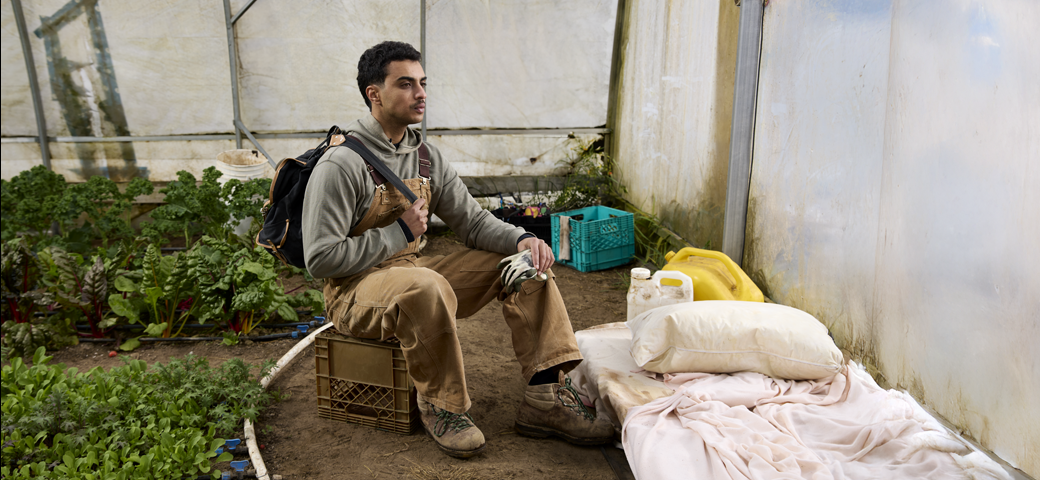
Labour trafficking involves recruiting, moving, or holding victims to exploit them into doing any kind of work. Traffickers often use violence, threats of deportation, lies and illegal debts to force people to work against their will. Labour trafficking can happen across many industries, including farming, tourism, manufacturing, childcare, and construction. It often starts with fake jobs, dishonest recruiters, or pressure from people they know like friends or family.
Need help?
If you or someone you know may be a victim of human trafficking, contact the Canadian Human Trafficking Hotline confidentially. Support is available 24/7.
Who’s at risk?
Anyone can be a target of labour trafficking, however, traffickers often target people that are more vulnerable to exploitation. This can include not having permanent residency, work permits, limited or no access to social benefits, language barriers, not knowing their rights, or working in isolated or remote areas. This leaves newcomers to Canada, temporary, seasonal and migrant workers, and international students at greater risk to labour trafficking.
Industries generally connected with labouring trafficking include, but are not limited to, construction, farming/agriculture, manufacturing, hospitality/ tourism, food processing, restaurants, and in-house labour services, often referred to as domestic servitude. Labour traffickers can bring victims in from other countries, legally or illegally, and pressure them to work by force or through threats, including mental and emotional abuse and manipulation.
Possible signs of labour trafficking
There are warning signs to look out for if you think someone is targeting you or taking advantage of you in your current work situation.
Signs you could be a target:
- A job offer seems too good to be true.
- You’re asked to relocate with few details and no payment up front.
Signs you could be a victim of labour trafficking:
- You live and/or work in unhealthy, unsafe conditions.
- Your employer makes threats of deportation or threatens to report your immigration status to police.
- Your employer withholds personal ID, immigration papers or work permits.
- Your employer holds back pay.
- You’re forced to pay upfront costs — like travel expenses to come to Canada
- You feel like your life or those you love could be in danger if you don’t work long hours and/or accept lower wages.
- You’re forced to live on work premises or in housing provided by your employer.
- You’re working very long or unusual hours, with little or no pay.
- You’re not given days off.
- Your movement is restricted and/or you’re isolated.
- Your employer speaks for you, or you’re never allowed to be alone or independent.
- You’re intimidated by your employer or show signs of abuse (inc. malnutrition).
If you said yes to one or more questions, you or someone you know may be at risk of being trafficked.
What you can do
Labour trafficking is always the fault of the trafficker, not the victim. There are ways you can protect yourself and your loved ones from being exploited.
Ways to protect yourself
Many traffickers take advantage of people who are in urgent need of work, so they may feel pressured to make quick decisions about work. You can help avoid unsafe situations by carefully considering the job offer and its conditions first, including:
- Researching the employer and company online to ensure it's legitimate.
- Being cautious about job offers that seem too good to be true (high pay for little work).
- Never sharing your personal documents (passport, ID, Visa/immigration papers, work permits, birth certificate, other identification).
Understand your labour rights
All workers in Canada — including migrant, seasonal, and temporary workers — have labour rights. But in many cases, they don't know the extent of their rights, which may allow traffickers to exploit them. Knowing your rights can help keep you safe. This includes:
- The right to come and go freely.
- The ability to speak to loved ones.
- Keeping possession of your passport, ID, permits, or other legal documents.
- The right to live and work in safe conditions.
- Fair payment for your work.
- The inability of your employer to change your immigration status or deport you.
How to support someone
If somebody comes to you about a possible labour trafficking situation, it's important to listen without judgement. Many traffickers use fear and shame to keep their victims from telling other people what's happening, so it's important to create a safe, caring, and non-judgemental space. Don't question them or tell them what to do. Instead, share options and ways you can support them (for example, checking in with them privately and sharing with them available supports).
If you are concerned that someone you know might be a victim of labour trafficking, take safe action to help. This can include documenting what you've seen by writing it down; delaying, speaking to the person privately when they're in a safe position to see if they're OK and offer support; or delegating, reach out to local police or the Canadian Human Trafficking Hotline.
Where to get help
If you or someone you know may be a victim of labour trafficking, you may have a lot of feelings of uncertainty. Even if you're unsure, it's important to reach out for help.
If you're in immediate danger, call 911.
If you can safely use a phone or go online, call the Canadian Human Trafficking Hotline at 1-833-900-1010. It's confidential, open 24/7, 365 days a year, offered in over 200 languages, and available to the deaf, hard-of-hearing, and non-verbal.
Domestic servitude
While labour trafficking can happen across a wide variety of industries, it can also happen in private homes. One form of labour trafficking is domestic servitude, where people work as housekeepers or childcare providers and are exploited through low-paid manual work over long hours. Domestic workers can be brought in from other countries, legally or illegally, and usually live in their employer’s home with little to no contact with the outside world. Workers often have no visa, work permit or passport. Traffickers often manipulate their victims by threatening to fire them, knowing they have nowhere else to live and are fearful of being forced to leave the country.
Better understand human trafficking

How traffickers take control of victims
Learn what motivates traffickers, how they recruit and maintain control of victims, and how to identify potential warning signs.

Who human trafficking affects
While anybody can be a victim, learn why some people are at higher risk.