
Meds Pipeline Monitor 2026
Contact Information
Patented Medicine Prices Review Board
Standard Life Centre
Box L40
333 Laurier Avenue West
Suite 1400
Ottawa, ON K1P 1C1
Tel.: 1-877-861-2350
TTY 613-288-9654
Email: PMPRB.Information-Renseignements.CEPMB@pmprb-cepmb.gc.ca
About the PMPRB
The Patented Medicine Prices Review Board (PMPRB) is a quasi-judicial body responsible for protecting Canadians from patent abuse related to patented medicine prices. To do so, the PMPRB reviews the prices of these medicines and intervenes as necessary in the form of a hearing, during which a panel might determine that the prices are excessive.
The PMPRB also contributes to a greater understanding of the biopharmaceutical ecosystem by publishing annual reports on trends in sales, pricing, and research and development spending.
Additionally, the PMPRB provides neutral, relevant, and timely ad hoc analysis on pharmaceutical trends, at the Minister’s request.
The NPDUIS Research Initiative
The National Prescription Drug Utilization Information System (NPDUIS) research initiative was established by federal, provincial, and territorial Ministers of Health in September 2001. It is a partnership between the PMPRB and the Canadian Institute for Health Information (CIHI).
Pursuant to section 90 of the Patent Act and at the request of the Minister of Health, the PMPRB has the mandate to provide the Minister with analysis that provides decision makers with critical information and intelligence on price, utilization, and cost trends so that Canada’s healthcare system has more comprehensive and accurate information on how medicines are being used and on sources of cost pressures.
The Minister of Health establishes the general content of the reports to be provided, and the specific research priorities for the NPDUIS research initiative are established with the guidance of the NPDUIS Advisory Committee and reflect the information needs of the participating jurisdictions. The Advisory Committee is composed of representatives from public drug plans in British Columbia, Alberta, Saskatchewan, Manitoba, Ontario, New Brunswick, Nova Scotia, Prince Edward Island, Newfoundland and Labrador, Yukon, the Non-Insured Health Benefits Program (NIHB), and Health Canada. It also includes observers from CIHI, Canada’s Drug Agency (CDA), the Ministère de la Santé et des Services sociaux du Québec (MSSS), and the pan-Canadian Pharmaceutical Alliance (pCPA) Office.
Acknowledgements
This report was prepared by the Patented Medicine Prices Review Board (PMPRB) as part of the National Prescription Drug Utilization Information System (NPDUIS) research initiative.
The PMPRB wishes to acknowledge the members of the NPDUIS Advisory Committee for their expert oversight and guidance in the preparation of this report. Please note that the statements and findings for this report do not necessarily reflect those of the members or their organizations.
Appreciation goes to Brian O’Shea for leading this project with editorial contributions from Shirin Paynter, and to Étienne Gaudette and Kevin Pothier for their oversight in the development of the report.
Disclaimer
Analytical studies conducted by the PMPRB through the NPDUIS research initiative are independent of the regulatory activities of the Board of the PMPRB. The research priorities, data, statements, and opinions expressed or reflected in NPDUIS reports do not represent the position of the PMPRB with respect to any regulatory matter. NPDUIS reports do not contain information that is confidential or privileged under sections 87 and 88 of the Patent Act, and the mention of a medicine in an NPDUIS report is not and should not be understood as an admission or denial that the medicine is subject to filings under sections 80, 81, or 82 of the Patent Act or that its price is or is not excessive under section 85 of the Patent Act.
Although information in this report is based in part on data obtained under license from GlobalData and the MIDAS® Database proprietary to IQVIA Solutions Canada Inc. and/or its affiliates (“IQVIA”), the statements, findings, conclusions, views, and opinions expressed in this report are exclusively those of the PMPRB and are not attributable to either GlobalData or IQVIA.
In addition, the PMPRB has not independently verified nor endorses the accuracy of any third-party information or third-party opinions or designations in this report including information about pricing, therapeutic effectiveness, sales volume, cost effects, market characteristics, competitor products, regulatory status and other similar information.
Executive Summary
The Meds Pipeline Monitor (MPM) is a horizon scanning report that features a selection of new medicines undergoing clinical evaluation or in pre-registration that may have an impact on future clinical practice and drug spending in Canada.
This edition features a reorganization of the report sections to emphasize medicines expected to make Canadian market entry in the near future.
The report collects data from two main sources: Health Canada’s Drug and Health Product Submissions Under Review (SUR) Lists, which provide information on medicines currently under review in Canada, and GlobalData’s Drugs database, which identifies medicines currently undergoing clinical evaluation.
Highlights of the Meds Pipeline Monitor 2026
- Oncology medicines continued to dominate the therapeutic mix in 2025, as was the case in previous editions. Cancer treatments represented 40% of medicines across all stages of development. Medicines for metabolic disorders made up only 5% of the overall pipeline but 13% of the drugs in pre-registration.
- As of August 2025, the pipeline contained 10,501 new medicines across all stages of clinical development. The later stages of the pipeline remained robust, with 200 medicines in pre-registration.
- Orphan medicines continued to be well-represented in the later stages of the pipeline, making up 23% of medicines in Phase III clinical trials and 24% in pre-registration.
- Five new medicines under priority review by Health Canada are featured in the Spotlight on Canada section of this report (Table 4).
- Twenty-four new medicines were selected for the 2026 new medicines list (Table 7) based on their potential to be impactful to the Canadian healthcare system.
- Of 43 medicines which had been featured in the previous edition (MPM 2023), 11 have since received market authorization (Table 5), 26 were retained on this year’s list as they continued to satisfy the selection criteria (Table 6), and six were removed as their clinical trials were discontinued or they no longer meet the selection criteria.
List of Terms
For the purposes of this report, the following terms and associated definitions apply.
- Cell therapy
- The transplantation of human cells to replace or repair damaged tissue and/or cells.
- Clinical efficacy
- The maximum response achievable from a medicine in research settings and the capacity for sufficient therapeutic effect in clinical settings.Footnote i
- Gene therapy
- A technique for the treatment of genetic disease in which a gene that is absent or defective is replaced by a healthy gene, as defined by Health Canada.Footnote ii
- Market authorization
- The process of approval for a medicine to be marketed in a given country. In Canada, market approval is granted following a substantive scientific evaluation of a product’s safety, efficacy, and quality, as required by the Food and Drugs Act and Regulations.Footnote iii
- Medicinal ingredient
- A chemical or biological substance responsible for the claimed pharmacologic effect of a drug product. Sometimes referred to as a molecule, active substance, or active ingredient.Footnote iv
- Medicine
- A broad term encompassing both the final drug product and medicinal ingredient(s); this encompasses chemically manufactured active substances and biologics, including gene therapies. Medicines are reported at the medicinal ingredient level and can refer to a single ingredient or a unique combination of ingredients.
- New medicine
- A medicinal ingredient that has not previously received market authorization by a regulator.Footnote iv
- Orphan medicine
- A medicine used to treat a rare disease. For the purposes of this study, orphan medicine designations are sourced from GlobalData Healthcare’s Drugs database, which tracks orphan designations granted by the US Food and Drug Administration (FDA), European Medicines Agency (EMA), United Kingdom Medicines and Healthcare products Regulatory Agency (MHRA), or Japan Ministry of Health, Labour and Welfare (MHLW). For the select medicines featured in Table 7, which have a drug geography of either Canada, the US, or Europe (excluding Russia and Türkiye), orphan designations granted by the FDA or EMA are noted.
Phases of clinical trials
- Phase I
- These trials test an experimental medicine on a small group of people for the first time. The purpose is to look at the medicine’s safety, determine a safe dosage range, and monitor if there are any side effects.
- Phase II
- In this phase, the medicine is given to a larger group of people (usually 100 or more) to gather data on how well the medicine works to treat a disease or condition, check its safety on a wider range of people, and determine the best dose.Footnote v
- Phase III
- These controlled or uncontrolled trials are conducted after preliminary evidence suggesting efficacy of the medicine has been demonstrated. They are intended to gather additional and confirmatory information about the clinical efficacy and safety of the medicine under the proposed conditions of use.Footnote ii Phase III trials are usually randomized with double-blind testing in several hundred to several thousand patients.
- Pre-registration
- A medicine is in the pre-registration phase once all the necessary clinical trials have been completed and it is waiting for registration or approval for use by a governing body.Footnote vi
Introduction
This edition of the Meds Pipeline Monitor (MPM) features a selection of new medicines in Phase III clinical trials or pre-registration that have the potential to impact clinical practice and drug spending in Canada.
The 2026 edition has been reorganized to emphasize medicines expected to enter the Canadian market in the near future. The Spotlight on Canada section appears immediately after the Snapshot of the Pipeline in 2025. It is followed by the table of pipeline medicines from the previous edition that have gained market authorization in the US or Europe, and then the update on medicines still in the pipeline that have been retained from previous editions. Lastly, the selected new medicines for 2026 make their debut in the final table before the appendix.
The methodology, which is detailed in the next section, uses a specific set of criteria to identify a list of new medicines in the pipeline from GlobalData Healthcare’s Drugs database, as well as a list of medicines currently under review from Health Canada’s Drug and Health Product Submissions Under Review (SUR) Lists. The new medicines listed in this report are selected based on a review of the literature and clinical trial outcomesFootnote vii to determine if the medicine may impact the Canadian healthcare system by addressing an unmet therapeutic need, offering a novel mechanism of action or therapeutic benefit over existing therapies, or treating a serious condition. Medicines reported on in previous editions are also reviewed and updated with newly published clinical trial results, additional regulatory designations, or other relevant developments. Additionally, this report provides an update on the medicines in the previous edition that have since received market authorization by either Health Canada, the US Food and Drug Administration (FDA), or the European Medicines Agency (EMA). New medicines selected for this report will likewise be monitored in future editions as they move through the development pipeline.
To provide context for the selection of medicines, the Snapshot of the Pipeline reports on the total number of medicines available in the global drug development pipeline, and includes a comparison with the snapshots from previous editions of the Meds Pipeline Monitor published from September 2021 to August 2025.
The Meds Pipeline Monitor is a companion publication to Meds Entry Watch, which analyzes medicines that received first-time approval from the US FDA or the EMA, and/or Health Canada. Together, these two PMPRB reports monitor the market continuum of late-stage pipeline medicines and new approvals, providing decision makers, researchers, patients, clinicians, and other stakeholders with information on the emerging medicines and evolving cost pressures.
Methodology
Snapshot of the Pipeline
The snapshot of the global pipeline identifies the composition of medicines in various phases of clinical development. For this analysis, a full list of pipeline medicines across all geographic areas was retrieved from GlobalData’s Drugs database on March 18, 2025 and the selected medicine candidates for this year’s report have been refreshed as of August 13, 2025.
New medicinal ingredients are identified as those with no prior approvals through Health Canada, the US Food and Drug Administration (FDA), or the European Medicines Agency (EMA). The distribution of new medicines by therapeutic area corresponds to the indication under evaluation, as reported by GlobalData. Note that a single new medicine may be undergoing multiple clinical studies for separate indications.
Metrics include a comparison of the number of drugs in each clinical phase of development and a breakdown of the various therapeutic areas for each phase.
Spotlight on Canada
Health Canada’s Drug and Health Product Submissions Under Review (SUR) Lists are assessed using a modified approach to the selection criteria to establish a list of medicines that may have the potential to impact Canadian drug spending or clinical practice. The lists used in this edition are current to July 31, 2025.
Medicines listed in the SUR include new drug submissions containing medicinal ingredients that have not been approved in Canada for any indication, in any strength or form. Unlike the selection of medicines identified in the pipeline lists, these medicines may have previously received market authorization through the US FDA or the EMA.
Additional descriptive information
The profile of each medicine under review includes the key attributes listed in Table 2, the indication and mechanism of action (sourced from the GlobalData Drugs database), as well as a summary of applicable published outcomes from clinical trials.
Although FDA designations for expedited development or review are not a selection criteria for this list, relevant Breakthrough, Fast Track, and Priority Review designations as noted in Table 1 are indicated where available.
Indications, therapeutic areas, mechanism of action and other information correspond to the information provided by GlobalData. The scientific description and key attributes provided are focused on the specified indication(s) for the selected medicine. For medicines under review for multiple indications, the primary indication is used.
Pipeline Medicines 2026
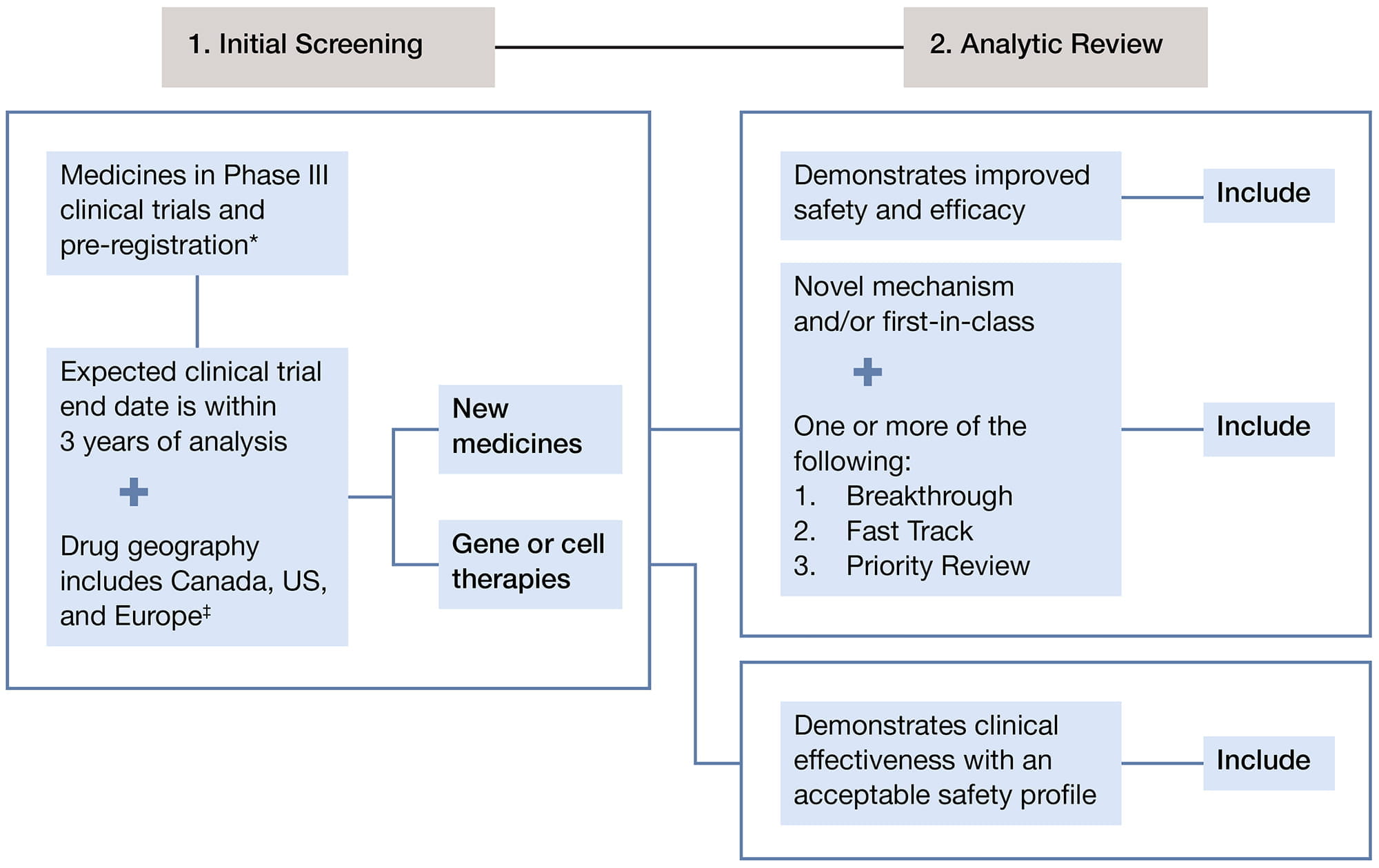
The selected new medicines are chosen from the list of medicines in Phase III clinical trials or pre-registration in at least one of Canada, the United States, and Europe. Many of the pipeline candidates are first-in-class or represent novel mechanisms for treatment in a specific therapeutic area. Pipeline medicines are selected for inclusion using a two-stage process (Figure 1). The initial screening stage selects medicines in the late phases of clinical evaluation, while the analytic review stage involves a more rigorous appraisal of each potential candidate based on the selection criteria in Table 1.
* In pre-registration with the US Food and Drug Administration (FDA).
† Has Phase III clinical trials in Canada, the United States, or geographic Europe (excluding Russia and Türkiye).
Figure description
This is a flowchart describing the process used to select the listed medicines. The chart consists of two steps:
1. Initial Screening
This step begins with all medicines in Phase III clinical trials or pre-registration with the US Food and Drug Administration. Of these medicines, the next step includes only those with expected clinical trial end dates within three years of the analysis and drug geography including Canada, the US, and Europe. To qualify for the drug geography, a medicine must have Phase III clinical trials in Canada, the US, and/or geographic Europe (excluding Russia and Türkiye).
2. Analytic Review
The analytic review step of the process is divided into two parts: one path for new medicines and the other for gene therapies.
New medicines must meet at least one of the following requirements to be included in the list:
- Demonstrates improved safety and efficacy
- Novel mechanism and/or first-in-class, with the addition of one or more of Breakthrough, Fast Track, and Priority Review designations
Gene and cell therapies must demonstrate clinical effectiveness with an acceptable safety profile to be included in the list.
Stage 1: Initial screening
GlobalData’s Drugs database is used to identify a list of medicines undergoing Phase III clinical trials or in pre-registration. These medicines serve as the basis for the initial screening stage.
The drug geography, defined as the geographical region or country in which the medicine is either marketed or in pipeline development, is restricted to Canada and other countries with similar regulatory and approval processes: the US and geographic Europe excluding Russia and Türkiye. Only new medicinal ingredients with reported data claiming increased efficacy and safety from clinical trials are considered as candidates for inclusion.
Medicines approved or sold in Canada, the US, or Europe for any other indication or in any other strength or formulation are excluded during the selection process, as are medicines whose clinical trials are inactive, suspended, withdrawn, or terminated.
Stage 2: Analytic screening
Selection criteria
Following the initial screening, the second stage of the process considers a number of selection criteria to determine the final list of pipeline candidates. These criteria are detailed in Table 1.
Earlier phases of the pipeline (i.e., Phase II) are also examined to determine if there are other medicines with the same indication or mechanism of action as the selected candidates in Phase III and pre-registration. This provides additional information on the number of medicines that are undergoing clinical evaluation in Phase II that may influence the therapeutic significance of the selected candidates in Phase III and pre-registration.
Table 1. Selection criteria for the Meds Pipeline Medicines list
| Selection criteria |
|---|
| Improved safety and efficacy claimed in clinical trials: a medicine with reported clinical trial data claiming increased safety, new outcome measures, or increased life expectancy or quality of life |
|
Novel mechanism/First-in-class: a medicine that uses a new mechanism of biochemical interaction to produce a medical effect, or a medicine that would be the first in its therapeutic class if granted market authorization In addition, the medicine must fall into one or more of the three following FDA designations for expedited development and review:
Gene or cell therapy: a technique for the treatment of genetic disease in which a gene that is absent or defective is replaced by a healthy gene; or the transplantation of human cells to replace or repair damaged tissue and/or cells |
Additional descriptive information
A profile of each successful pipeline candidate is provided, including the indication and mechanism of action, as well as a summary of the applicable published outcomes claimed in clinical trials. Specific attributes of each medicine are also identified. Table 2 provides a detailed description of these key attributes.
Table 2. Key attributes of new medicines selected for the Meds Pipeline Monitor
| Attributes | Data sources |
|---|---|
| Phase III clinical trials in Canada | GlobalData Drugs database; Health Canada Clinical Trials Database; Health Canada Drug and Health Product Submissions Under Review; National Institutes of Health (NIH) Clinical Trial Registry |
| Rare or orphan designation | GlobalData Drugs database, FDA orphan drug designations and approvals, EMA orphan designations |
| Biologic medicine | GlobalData Drugs database, FDA orphan drug designations and approvals, EMA orphan designations |
The indications and therapeutic areas of the featured medicines correspond to their Phase III clinical trial or pre-registration stage. A single clinical trial may assess multiple indications within the same therapeutic area. These medicines may also have additional indications at various phases of clinical evaluation that are not mentioned in this report. The scientific description and key attributes provided are focused on the specified indication(s) for the selected medicines.
Medicines reported for a given year are reassessed for each following edition of the MPM. They may be retained on the MPM list if they continue to meet the selection criteria. Medicines for which clinical trials have been discontinued or for which the selection criteria is no longer met are not reported in subsequent editions.
Data Sources
The GlobalData Drugs database is the primary data source for the identification of pipeline medicines and their corresponding clinical information. GlobalData tracks medicines from pre-clinical discovery, through clinical trials, to market launch and subsequent sales. The database is a comprehensive resource of medicines under various stages of clinical development. Search capabilities allow for controlled selection of specific attributes, including but not limited to the following: phase of clinical development, therapeutic area, molecule type, indication, drug geography, mechanism of action, and regulatory designations.
Health Canada’s Drug and Health Product Submissions Under Review (SUR) Lists are used to determine the featured selection of new medicines currently undergoing review by Health Canada. The SUR is a publicly available set of lists that identify pharmaceutical and biologic drug submissions containing new medicinal ingredients not previously approved in Canada that have been accepted for review. This applies to submissions accepted on or after April 1, 2015.
As this selection is restricted to new medicines, additional sources of information are cross-referenced to confirm that the candidates have not previously been approved or sold. These include recorded sales data from the IQVIA MIDAS® Database (all rights reserved); regulatory approval records from the National Institutes of Health (NIH), US FDA, the EMA, and Health Canada; and information in Health Canada’s Clinical Trials database and ClinicalTrials.org.
Limitations
Unless otherwise specified, the featured lists capture the composition of the pipeline as of August 2025. Due to the unpredictability and fast-moving nature of pipeline medicines entering the market, some of the medicines listed in this edition may have been approved or marketed in Canada, the US, or Europe prior to this report’s publication. Pipeline medicines that have not been included in this report due to the timing of the selection may presently meet the selection criteria; these, along with the rest of the drug pipeline, will be considered for the next edition.
This report captures a snapshot of the global pipeline. Although it is assumed to be representative of the composition of medicines over the entire year, the pipeline is fairly dynamic even within the same year. It is not possible to predict what year a product will be marketed in Canada, or if it will obtain approval in Canada at all, regardless of its status in other countries.
The selection of pipeline medicines for Table 7 is restricted to medicines under development for market in Canada, the US, and Europe. These medicines are not removed from consideration even if they have received market authorization elsewhere.
Absence of a pipeline medicine from this report should not be taken as an evaluation of its expected impact.
Some of the selected pipeline medicines may be undergoing clinical trials for additional indications; this analysis only reports on indications in the later stages of development (Phase III clinical trials or pre-registration with the US FDA) that satisfy the selection criteria set out in the methodology.
For each selected pipeline medicine, the primary manufacturer(s) and trade name, if available, are given along with the indication. In some cases, additional manufacturers, including subsidiaries, may also be involved in the development of the medicine with the primary companies, or other manufacturers may be developing the same medicine for other indications.
Snapshot of the Pipeline in 2025
The global pharmaceutical development pipeline in August 2025 had 10,501 new medicines undergoing clinical development, a decrease from the total observed in April 2024 but in line with the snapshots taken from previous years.
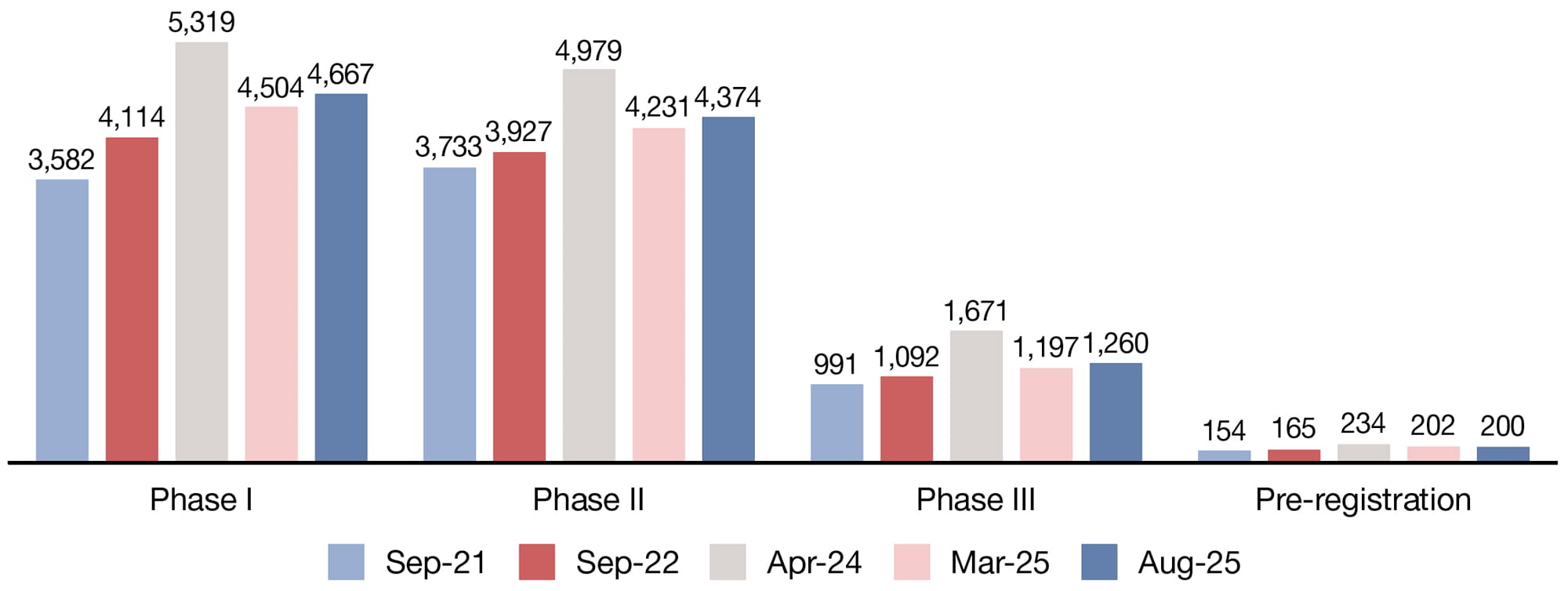
Figure 2 provides a comparison of pipeline snapshots taken since 2021, showing a breakdown of new medicinal ingredients not already marketed in each phase of clinical development. While the size of the pipeline is similar in Phase I and Phase II, a much smaller number of new medicines are studied in Phase III trials, with an even smaller group in pre-registration after completing required trials. The selected new medicines for this edition, as well as the medicines retained from the Meds Pipeline Monitor 2023, are among the 1,460 medicines in these two advanced stages of development.
Data source: GlobalData Drugs database (accessed 2021–2025); IQVIA MIDAS© Database.
Figure description
A bar graph shows the total number of new medicines in each phase of the pipeline by their highest phase of development from 2021 to 2025. Totals are given for each year and phase.
| September 2021 | September 2022 | April 2024 | March 2025 | August 2025 | |
|---|---|---|---|---|---|
| Phase I | 3,582 | 4,114 | 5,319 | 4,504 | 4,667 |
| Phase II | 3,733 | 3,927 | 4,979 | 4,231 | 4,374 |
| Phase III | 991 | 1,092 | 1,671 | 1,197 | 1,260 |
| Pre-registration | 154 | 165 | 234 | 202 | 200 |
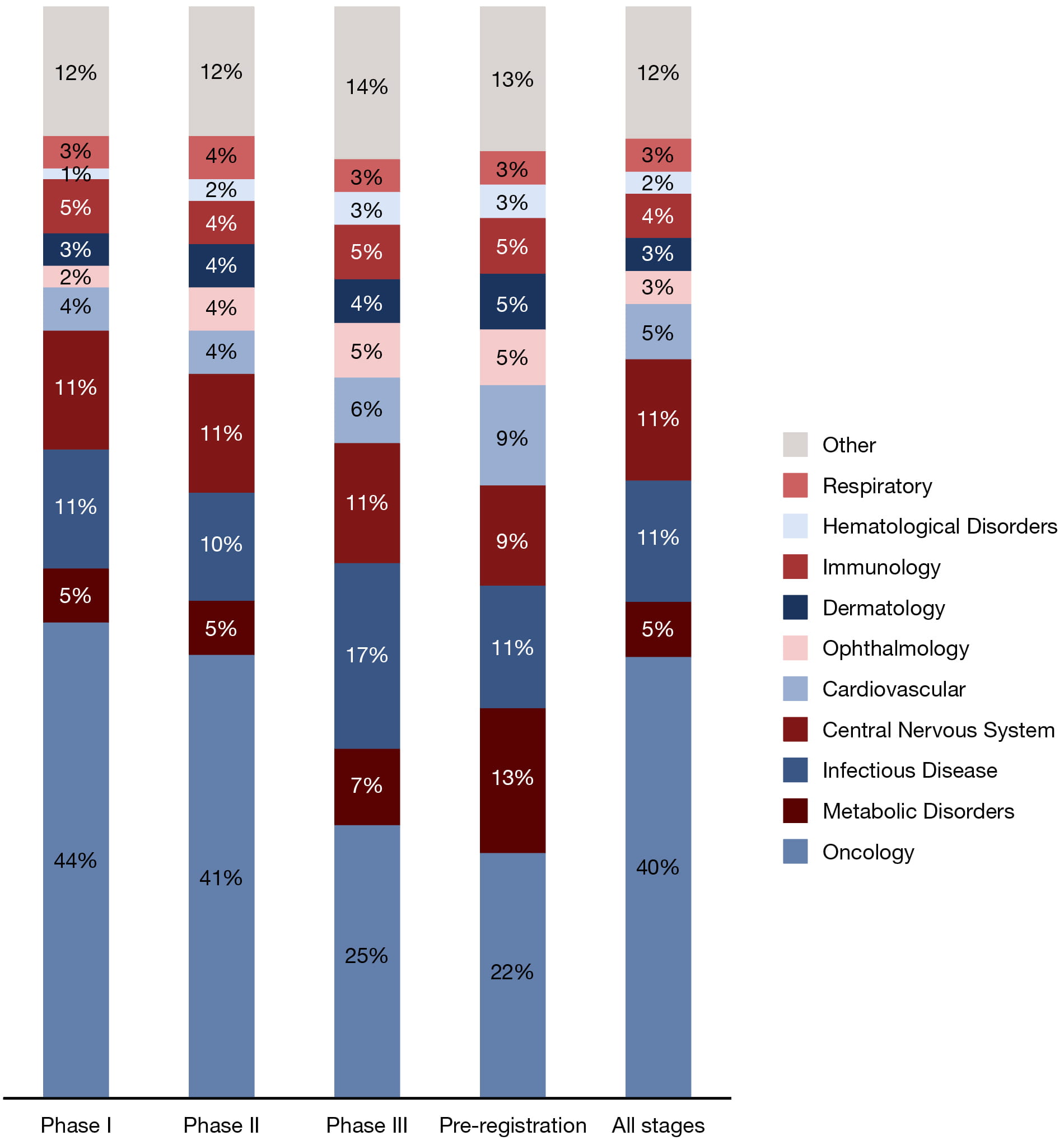
Figure 3 illustrates the distribution of new medicines by therapeutic area from Phase I through to pre-registration. Oncology continues to be the most common therapeutic area for new drugs, accounting for 40% of the entire pipeline, and 22% of the pre-registration phase. Infectious disease medicines are the next most common class, having held second place since the 2020 snapshot. Central nervous system drugs complete the top three. While making up just 5% of the total pipeline, drugs for metabolic disorders make up a disproportionate 13% of drugs in pre-registration.
Data source: GlobalData Drugs database (accessed August 2025).
Figure description
A stacked bar graph gives the distribution of new medicines by therapeutic rea from Phase I through to pre-registration.
| Therapeutic Area | Phase I | Phase II | Phase III | Pre-registration | All Phases |
|---|---|---|---|---|---|
| Oncology | 44% | 41% | 25% | 22% | 40% |
| Metabolic Disorders | 5% | 5% | 7% | 13% | 5% |
| Infectious Disease | 11% | 10% | 17% | 11% | 11% |
| Central Nervous System | 11% | 11% | 11% | 9% | 11% |
| Cardiovascular | 4% | 4% | 6% | 9% | 5% |
| Ophthalmology | 2% | 4% | 5% | 5% | 3% |
| Dermatology | 3% | 4% | 4% | 5% | 3% |
| Immunology | 5% | 4% | 5% | 5% | 4% |
| Hematological Disorders | 1% | 2% | 3% | 3% | 2% |
| Respiratory | 3% | 4% | 3% | 3% | 3% |
| Other | 12% | 12% | 14% | 13% | 12% |
Table 3a shows the indications with the most drugs in development selected from the top 10 largest therapeutic areas in pre-registration. For some therapeutic areas without enough instances of multiple drugs under development for the same indication, a selection was chosen to illustrate the breadth of development in that area. Table 3b shows the most common Phase III indications for these same areas.
Table 3a. Top indications for major therapeutic areas in pre-registration, 2025
| Therapeutic area (% of pre-registration stage) | Indication | Medicines |
|---|---|---|
| Oncology (22%) | Unspecified cancer | 9 |
| Human epidermal growth factor receptor-2-negative breast cancer (HER2− breast cancer) | 4 | |
| Non-small cell lung cancer | 4 | |
| Metabolic disorders (13%) | Type 2 diabetes | 8 |
| Diabetes | 3 | |
| Hyperlipidemia | 3 | |
| Infectious disease (11%) | Unspecified influenza virus infections | 3 |
| Influenza virus A infections | 2 | |
| Rabies | 2 | |
| Central nervous system (9%) | Alzheimer’s disease | 2 |
| Insomnia | 2 | |
| Post-operative pain | 2 | |
| Cardiovascular (9%) | Hypertension | 3 |
| Critical limb ischemia | 2 | |
| Unspecified cardiovascular disorders | 2 | |
| Ophthalmology (5%) | Keratoconjunctivitis sicca (dry eye) | 3 |
| Glaucoma | 2 | |
| Wet (neovascular / exudative) macular degeneration | 2 | |
| Dermatology (5%) | Unspecified dermatological disorders | 3 |
| Acne vulgaris | 2 | |
| Atopic dermatitis (atopic eczema) | 2 | |
| Immunology (5%) | Plaque psoriasis (psoriasis vulgaris) | 5 |
| Myasthenia gravis | 1 | |
| Hereditary angioedema (HAE) | 1 | |
| Hematological disorders (3%) | Anemia in chronic kidney disease | 2 |
| Idiopathic thrombocytopenic purpura | 2 | |
| Fanconi anemia | 1 | |
| Respiratory (3%) | Chronic obstructive pulmonary disease (COPD) | 1 |
| Idiopathic pulmonary fibrosis | 1 | |
| Streptococcal pneumonia | 1 |
Data source: GlobalData Drugs database (accessed August 2025).
Table 3b. Top indications for major therapeutic areas in Phase III, 2025
| Therapeutic area (% of pre-registration stage) | Indication | Medicines |
|---|---|---|
| Oncology (25%) | Non-small cell lung cancer | 45 |
| Adenocarcinoma of the gastroesophageal junction | 19 | |
| Human epidermal growth factor receptor-2-negative breast cancer (HER2− breast cancer) | 16 | |
| Metabolic disorders (7%) | Type 2 diabetes | 28 |
| Obesity | 14 | |
| Type 1 diabetes (juvenile diabetes) | 8 | |
| Infectious disease (17%) | Coronavirus disease 2019 (COVID-19) | 69 |
| Diphtheria | 6 | |
| Poliomyelitis | 6 | |
| Central nervous system (11%) | Alzheimer’s disease | 12 |
| Post-operative pain | 10 | |
| Major depressive disorder | 9 | |
| Cardiovascular (6%) | Idiopathic (essential) hypertension | 18 |
| Acute ischemic stroke | 16 | |
| Hypertension | 6 | |
| Ophthalmology (5%) | Keratoconjunctivitis sicca (dry eye) | 15 |
| Wet (neovascular / exudative) macular degeneration | 7 | |
| Diabetic macular edema | 4 | |
| Dermatology (4%) | Atopic dermatitis (atopic eczema) | 16 |
| Acne vulgaris | 6 | |
| Androgenic alopecia | 4 | |
| Immunology (5%) | Plaque psoriasis (psoriasis vulgaris) | 11 |
| Hereditary angioedema (HAE) | 7 | |
| Myasthenia gravis | 4 | |
| Hematological disorders (3%) | Hemophilia A (factor VIII deficiency) | 7 |
| Idiopathic thrombocytopenic purpura | 6 | |
| Paroxysmal nocturnal hemoglobinuria | 3 | |
| Respiratory (3%) | Chronic obstructive pulmonary disease (COPD) | 7 |
| Asthma | 5 | |
| Streptococcal pneumonia | 5 |
Data source: GlobalData Drugs database (accessed August 2025).
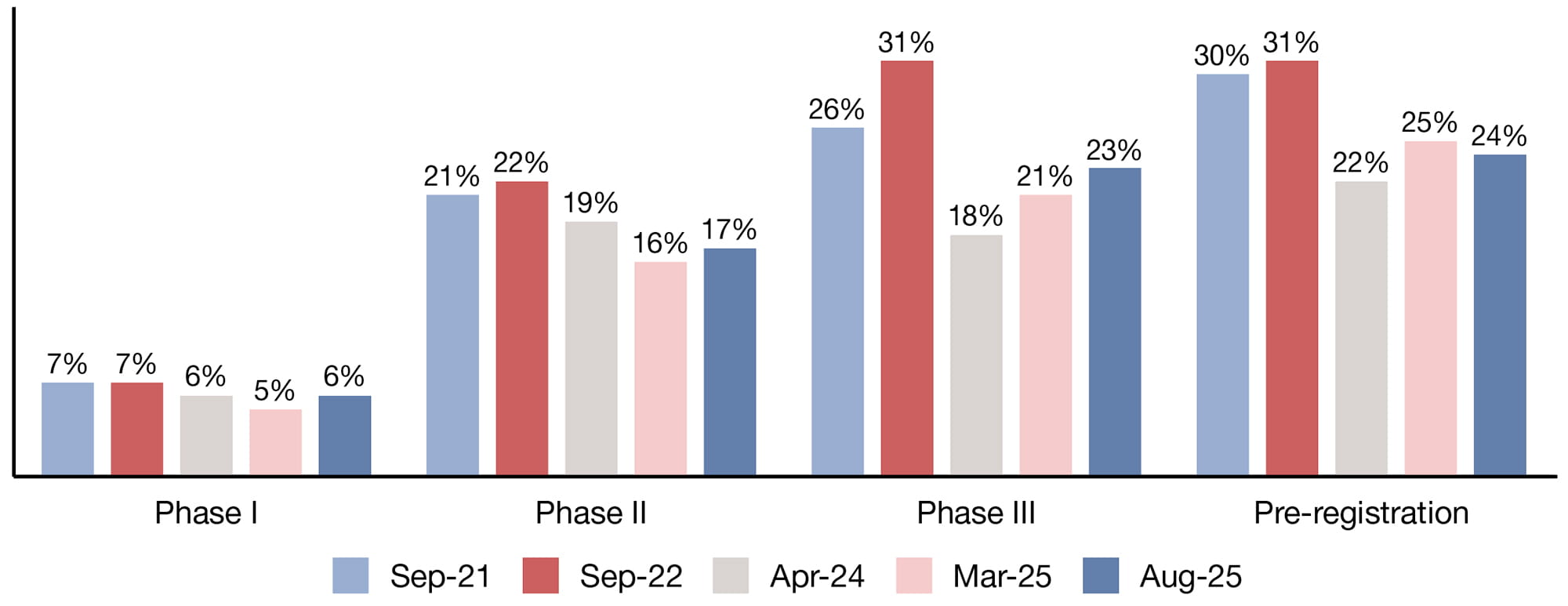
Orphan medicines, as denoted in GlobalData’s Drugs database, accounted for an increasing share of each successive stage of the global pipeline in 2025, as shown in Figure 4. In the most recent snapshot, 24% of medicines in pre-registration and 23% in Phase III had received an orphan designation. Information on orphan medicines emerging from the pipeline can be found in the companion publication Meds Entry Watch, which tracks orphan designations for medicines receiving first-time approval from either Health Canada, the FDA, or EMA.Footnote 1
Data source: GlobalData Drugs database (accessed 2021–2025); IQVIA MIDAS© Database.
Figure description
A bar graph gives the share of orphan designated medicines in the pipeline by phase of development from 2021 to 2025.
| September 2021 | September 2022 | April 2024 | March 2025 | August 2025 | |
|---|---|---|---|---|---|
| Phase I | 7% | 7% | 6% | 5% | 6% |
| Phase II | 21% | 22% | 19% | 16% | 17% |
| Phase III | 26% | 31% | 18% | 21% | 23% |
| Pre-registration | 30% | 31% | 22% | 25% | 24% |
Spotlight on Canada: Medicines under Review
This section includes a list of medicines under priority review by Health Canada that may have a substantial impact on future clinical practice and drug spending. Medicines included on this list are new to Canada but may have been approved in other countries.
Table 4 highlights five medicines currently on Health Canada’s Drug and Health Product Submissions Under Review (SUR) lists as of July 2025. Of the six medicines under review reported on in the 2023 edition, all but one have since received market authorization from Health Canada. The activated phosphoinositide 3-kinase delta syndrome (APDS) treatment leniolisib remains under priority review by Health Canada, as shown in the table.
Table 4. Selected new medicines currently under review by Health Canada, 2025
Immunological Disorders
| Medicine (Trade name) Company | Anticipated Indication(s)† | Description and Key Attributes |
|---|---|---|
|
Leniolisib Joenja (U.S.) Pharming Technologies BV
|
Activated phosphoinositide 3-kinase delta syndrome (APDS) |
Clinical Trials
|
Infectious Diseases
| Medicine (Trade name) Company | Anticipated Indication(s)† | Description and Key Attributes |
|---|---|---|
|
Imipenem, cilastatin, and relebactam Recarbrio (U.S., EU) Merck Canada Inc.
|
Infections caused by gram-negative bacteria |
Clinical Trials
|
Metabolic Disorders
| Medicine (Trade name) Company | Anticipated Indication(s)† | Description and Key Attributes |
|---|---|---|
|
Olezarsen sodium Tryngolza (U.S., EU) Theratechnologies Inc.
|
Familial chylomicronemia syndrome (FCS) |
Clinical Trials
|
|
Plozasiran Arrowhead Pharmaceuticals Inc.
|
Familial chylomicronemia syndrome (FCS) |
Clinical Trials
|
|
Sepiapterin Sephience (U.S., EU) PTC Therapeutics International Ltd.
|
Hyperphenyla-laninaemia (HPA) in adults and children with phenylketonuria (PKU) |
Clinical Trials
|
† Health Canada’s Drug and Health Product Submissions Under Review (SUR) Lists provide the therapeutic area for the medicine under review but do not specify the indication. The indication listed in Table 4 is based on the information about the medicine in the literature and/or approvals in other jurisdictions. When there is an aligned review, in some cases the indication was confirmed by the CDA Reimbursement Review report.
Pipeline Medicines 2026
The following tables include medicines featured in the previous edition that have since gained market authorization (Table 5), updates on retained medicines from previous editions of the Meds Pipeline Monitor (Table 6), and newly-selected medicine candidates for 2026 (Table 7).
Medicines in Phase III clinical trials or pre-registration are considered for inclusion in the Meds Pipeline Monitor (MPM) if they claim to address an unmet therapeutic need, offer a novel mechanism of action or therapeutic benefit over existing therapies, or treat a serious condition.
Screening new medicine candidates
Of the 43 pipeline medicines featured in the previous edition, 11 have received market authorization in Canada, the US, or Europe as of August 30, 2025 (Table 5). Six were removed from the list due to clinical trials being discontinued, filings rejected or withdrawn, or otherwise listed as inactive in GlobalData’s Drugs database. Twenty-six were retained as subsequent evidence continues to claim promising clinical benefits and satisfies the selection criteria (Table 6).
Of the 1,460 new medicines under development in the Phase III and pre-registration stages of the pipeline in August 2025, 708 had a listed drug geography in Canada, the US, or Europe in the GlobalData Drugs database. Twenty-four of these were selected for inclusion in the selected new medicines list (Table 7).
Many of the selected new medicines are first-in-class or represent a novel mechanism of action. The description for each new medicine in Table 7 notes the presence of drugs in Phase II development for the same indication, and which ones have the same mechanism of action. Having insight into other drugs in an earlier stage of development can provide additional context on the potential place in therapy of the selected new pipeline candidates.
It is important to keep in mind that not all drugs in Phase II development will progress to Phase III. According to an industry analysis, Phase II clinical programs experience the lowest success rate of the development phases, with only 28.9% of developmental candidates advancing to Phase III.Footnote 20
Biosimilars in the pipeline
Biosimilars are under development in a wide range of therapeutic areas, and their future market entry could have considerable implications for the treatment and cost landscape in Canada. Appendix A (Table A1) provides a list of biosimilars in Phase III clinical trials and a drug geography in Canada, the US, or Europe. Indications under development are listed along with the developing company, the name of the reference biologic in Canada, and whether other biosimilars have already been approved or are currently under review by Health Canada.
Table 5. Pipeline medicines featured in the 2023 Meds Pipeline Monitor that have since gained market authorization
Central Nervous System
| Medicine (Trade name) Company | Indication(s) | Approval Status and Key Attributes |
|---|---|---|
|
Xanomeline-trospium (Cobenfy) Bristol Myers Squibb
|
Schizophrenia; Psychosis |
Approval
|
Dermatology
| Medicine (Trade name) Company | Indication(s) | Approval Status and Key Attributes |
|---|---|---|
|
Prademagene zamikeracel (Zevaskyn) Abeona Therapeutics Inc.
|
Epidermolysis bullosa |
Approval
|
Gastrointestinal Disorders
| Medicine (Trade name) Company | Indication(s) | Approval Status and Key Attributes |
|---|---|---|
|
Seladelpar lysine (Livdelzi/Lyvdelzi) CymaBay Therapeutics Inc.
|
Primary biliary cholangitis (primary biliary cirrhosis) |
Approval
|
Genito Urinary System and Sex Hormones
| Medicine (Trade name) Company | Indication(s) | Approval Status and Key Attributes |
|---|---|---|
|
Gepotidacin mesylate (Blujepa) GSK plc
|
Cystitis; Urinary tract infections (UTI) |
Approval
|
Hematological Disorders
| Medicine (Trade name) Company | Indication(s) | Approval Status and Key Attributes |
|---|---|---|
|
Fitusiran (Qfitlia) Sanofi
|
Hemophilia A; Hemophilia B |
Approval
|
Hormonal Disorders
| Medicine (Trade name) Company | Indication(s) | Approval Status and Key Attributes |
|---|---|---|
|
Palopegteriparatide (Yorvipath) Ascendis Pharma AS
|
Hypoparathyroidism |
Approval
|
Immunological Disorders
| Medicine (Trade name) Company | Indication(s) | Approval Status and Key Attributes |
|---|---|---|
|
Garadacimab (Andembry) CSL Ltd.
|
Hereditary angioedema (HAE) (C1 esterase inhibitor [C1-INH] deficiency) |
Approval
|
Oncology
| Medicine (Trade name) Company | Indication(s) | Approval Status and Key Attributes |
|---|---|---|
|
Datopotamab deruxtecan (Datroway) Daiichi Sankyo Co Ltd.
|
Breast cancer (HR+, HER2-) |
Approval
|
|
Revumenib citrate (Revuforj) Syndax Pharmaceuticals Inc.
|
Refractory acute myeloid leukemia; Relapsed acute myeloid leukemia |
Approval
|
|
Vorasidenib citrate (Voranigo) Les Laboratoires Servier SAS
|
Astrocytoma; Oligodendroglioma |
Approval
|
|
Zolbetuximab (Vyloy) Astellas Pharma Inc.
|
Adenocarcinoma of the gastroesophageal junction; Gastric cancer |
Approval
|
Data source: GlobalData Drugs database.
Table 6. Update on pipeline medicines retained from the 2023 Meds Pipeline Monitor
Cardiovascular
| Medicine (Trade name) Company | Indication(s) | Update |
|---|---|---|
|
Abelacimab Anthos Therapeutics Inc.
|
Deep vein thrombosis (DVT); Pulmonary embolism; Atrial fibrillation |
Clinical Trials
|
|
Aficamten Cytokinetics Inc.
|
Hypertrophic cardiomyopathy |
Clinical Trials
|
|
Etripamil Milestone Pharmaceuticals Inc.
|
Supraventricular tachycardia |
Clinical Trials
|
|
Nerinetide NoNO Inc.
|
Acute ischemic stroke |
Clinical Trials
|
|
Obicetrapib NewAmsterdam Pharma Company
|
Dyslipidemia; Heterozygous familial hypercholestero-lemia (HeFH); Atherosclerosis |
Clinical Trials
|
|
Pelacarsen sodium Novartis AG
|
Cardiovascular disease; Hyperlipidemia |
Clinical Trials
|
Central Nervous System
| Medicine (Trade name) Company | Indication(s) | Update |
|---|---|---|
|
Fosigotifator Calico Life Sciences LLC
|
Amyotrophic lateral sclerosis (ALS) |
Clinical Trials
|
|
Latozinemab Alector Inc.
|
Frontotemporal dementia (FTD) |
Clinical Trials
|
|
ND-0612 Neuroderm, a Mitsubishi Tanabe Pharma Corp subsidiary
|
Parkinson’s disease (PD) |
Clinical Trials
|
|
Resiniferatoxin Grunenthal GmbH |
Osteoarthritis pain |
Clinical Trials
|
|
Valiltramiprosate Alzheon Inc.
|
Alzheimer’s disease (AD) |
Clinical Trials
|
Gastrointestinal Disorders
| Medicine (Trade name) Company | Indication(s) | Update |
|---|---|---|
|
Efruxifermin Akero Therapeutics Inc.
|
Metabolic dysfunction-associated steatohepatitis (MASH) |
Clinical Trials
|
|
Obefazimod Abivax SA
|
Ulcerative colitis |
Clinical Trials
|
Genetic Disorders
| Medicine (Trade name) Company | Indication(s) | Update |
|---|---|---|
|
Fazirsiran sodium Arrowhead Pharmaceuticals Inc.
|
Alpha-1 antitrypsin deficiency (A1AD) |
Clinical Trials
|
Genito Urinary System and Sex Hormones
| Medicine (Trade name) Company | Indication(s) | Update |
|---|---|---|
|
Inaxaplin (VX19-147) Vertex Pharmaceuticals Inc.
|
Focal segmental glomerulosclerosis (FSGS); Chronic kidney disease (chronic renal failure) |
Clinical Trials
|
Hematological Disorders
| Medicine (Trade name) Company | Indication(s) | Update |
|---|---|---|
|
Bentracimab SFJ Pharmaceuticals Inc.
|
Bleeding and clotting disorders |
Clinical Trials
|
Infectious Diseases
| Medicine (Trade name) Company | Indication(s) | Update |
|---|---|---|
|
Zoliflodacin Innoviva Inc.
|
Uncomplicated cervical and urethral gonorrhea |
Clinical Trials
|
Metabolic Disorders
| Medicine (Trade name) Company | Indication(s) | Update |
|---|---|---|
|
Clemidsogene lanparvovec (RGX-121) RegenxBio Inc.
|
Mucopolysaccharidosis II (MPS II) (Hunter syndrome) |
Clinical Trials
|
Oncology
| Medicine (Trade name) Company | Indication(s) | Update |
|---|---|---|
|
Bemarituzumab Agmen Inc.
|
Adenocarcinoma of the gastroesophageal junction; Gastric cancer; Bladder cancer; Gastroesophageal (GE) junction carcinomas |
Clinical Trials
|
|
Gemcitabine (GemRIS) Johnson & Johnson
|
Non-muscle invasive bladder cancer (NMIBC) (superficial bladder cancer); Muscle invasive bladder cancer (MIBC) |
Clinical Trials
|
|
Navitoclax dihydrochloride AbbVie Inc.
|
Myelofibrosis |
Clinical Trials
|
|
Patidegib hydrochloride Sol-Gel Technologies Ltd.
|
Gorlin syndrome (basal cell nevus syndrome/nevoid basal cell carcinoma syndrome) |
Clinical Trials
|
|
Rusfertide acetate Protagonist Therapeutics Inc.
|
Polycythemia vera (PV) |
Clinical Trials
|
|
SGX-301 Hypericin sodium (synthetic hypericin) Soligenix Inc.
|
Cutaneous T-cell lymphoma (CTCL) |
Clinical Trials
|
Respiratory
| Medicine (Trade name) Company | Indication(s) | Update |
|---|---|---|
|
AD-109 (atomoxetine + R-oxybutynin) Apnimed, Inc.
|
Obstructive sleep apnea (OSA) |
Clinical Trials
|
|
Brensocatib Insmed Inc.
|
Bronchiectasis |
Clinical Trials
|
Data source: GlobalData Drugs database.
Table 7. Selected new pipeline medicines for the 2026 Meds Pipeline Monitor
Central Nervous System
| Medicine (Trade name) Company | Indication(s) | Description and Key Attributes |
|---|---|---|
|
Bexicaserin Longboard Pharmaceuticals Inc.
|
Dravet syndrome (severe myoclonic epilepsy of infancy); Developmental epileptic encephalopathy (DEE); Lennox-Gastaut syndrome |
Clinical Trials
|
|
Tanruprubart Annexon Inc.
|
Guillain-Barré syndrome |
Clinical Trials
|
Dermatology
| Medicine (Trade name) Company | Indication(s) | Description and Key Attributes |
|---|---|---|
|
SkinTE Regen ETP Inc.,
|
Diabetic foot ulcers |
Clinical Trials
|
Gastrointestinal Disorders
| Medicine (Trade name) Company | Indication(s) | Description and Key Attributes |
|---|---|---|
|
Pegozafermin 89bio Inc.
|
Metabolic dysfunction-associated steatohepatitis (MASH or NASH) and related complications |
Clinical Trials
|
Genetic Disorders
| Medicine (Trade name) Company | Indication(s) | Description and Key Attributes |
|---|---|---|
|
Copper histidinate Sentynl Therapeutics Inc.
|
Menkes disease (kinky hair disease) |
Clinical Trials
|
|
Efsudenermin alfa EspeRare Foundation
|
X-linked hypohidrotic ectodermal dysplasia (XLHED) |
Clinical Trials
|
|
Setrusumab Ultragenyx
|
Osteogenesis imperfecta (brittle bone disease) |
Clinical Trials
|
Immunology
| Medicine (Trade name) Company | Indication(s) | Description and Key Attributes |
|---|---|---|
|
Navenibart Astria Therapeutics Inc.
|
Hereditary angioedema |
Clinical Trials
|
Infectious Diseases
| Medicine (Trade name) Company | Indication(s) | Description and Key Attributes |
|---|---|---|
|
Bepirovirsen sodium GSK plc
|
Hepatitis B |
Clinical Trials
|
|
Enibarcimab Adrenomed AG
|
Sepsis; Septic shock; Cardiogenic shock |
Clinical Trials
|
|
Ganaplacide + lumefantrine Novartis AG
|
Malaria |
Clinical Trials
|
|
LMN-201 Lumen Bioscience Inc.
|
C. difficile infection |
Clinical Trials
|
|
VLA-15 (Lyme disease vaccine) Valneva SE
|
Lyme disease |
Clinical Trials
|
Metabolic Disorders
| Medicine (Trade name) Company | Indication(s) | Description and Key Attributes |
|---|---|---|
|
Diamyd Diamyd Medical AB
|
Type 1 diabetes (juvenile diabetes) |
Clinical Trials
|
|
Pariglasgene brecaparvovec Ultragenyx Pharmaceuticals
|
Glycogen Storage Disease Type 1A |
Clinical Trials
|
Musculoskeletal Disorders
| Medicine (Trade name) Company | Indication(s) | Description and Key Attributes |
|---|---|---|
|
RGX-202 RegenxBio
|
Duchenne muscular dystrophy |
Clinical Trials
|
|
TPX-115 Tego Science Inc.
|
Partial thickness rotator cuff tear |
Clinical Trials
|
Oncology
| Medicine (Trade name) Company | Indication(s) | Description and Key Attributes |
|---|---|---|
|
Aglatimagene besadenovec (PancAtak) Candel Therapeutics Inc.
|
Pancreatic ductal adenocarcinoma |
Clinical Trials
|
|
Berubicin hydrochloride CNS Pharmaceuticals Inc.
|
Recurrent glioblastoma multiforme (GBM) |
Clinical Trials
|
|
Bria-IMT BriaCell Therapeutics Corp
|
Breast cancer (HER2-, HER2+, triple-negative) |
Clinical Trials
|
|
Darovasertib Ideaya Biosciences Inc.
|
Uveal melanoma; Metastatic uveal melanoma |
Clinical Trials
|
|
Intismeran autogene Moderna Inc.
|
Various cancers (vaccine) including melanoma, metastatic melanoma, non-small cell lung cancer, squamous non-small cell lung cancer, locally resectable advanced cutaneous squamous cell carcinoma (LA cSCC), and small-cell lung cancer |
Clinical Trials
|
Ophthalmology
| Medicine (Trade name) Company | Indication(s) | Description and Key Attributes |
|---|---|---|
|
4D-150 4D Molecular Therapeutics Inc.
|
Diabetic macular edema; Wet (neovascular / exudative) macular degeneration |
Clinical Trials
|
|
Gildeuretinol acetate Alkeus Pharmaceuticals
|
Juvenile macular degeneration (Stargardt Disease); Geographic atrophy |
Clinical Trials
|
Data source: GlobalData Drugs database.
Appendix A
Table A1: Biosimilars in Phase III or pre-registration for reference biologics marketed in Canada
| Medication | Reference product in Canada | Company selling reference product in Canada | Other biosimilars marketed in Canada at this time (Y/N) | Companies with biosimilars under review by Health Canada | Companies developing a biosimilar in Phase III or pre-registration | Biosimilar indications |
|---|---|---|---|---|---|---|
Adalimumab |
Humira |
AbbVie Corporation |
Y |
JAMP Pharma Corporation (supplemental submission) |
Outlook Therapeutics Inc. |
Plaque psoriasis (psoriasis vulgaris) |
Aflibercept |
Eylea |
Bayer Inc. |
Y |
Celltrion Inc. Samsung Bioepis Co., Ltd. Sandoz Canada Inc. Formycon AG JAMP Pharma Corporation |
Alteogen Inc. Alvotech SA Biolitec Pharma Ltd. |
Choroidal neovascularization |
Alteogen Inc. Alvotech SA Biolitec Pharma Ltd. |
Diabetic macular edema |
|||||
Alvotech SA |
Diabetic retinopathy |
|||||
Alteogen Inc. |
Macular edema |
|||||
Alvotech SA |
Retinal vein occlusion |
|||||
Aflibercept |
Eylea |
Bayer Inc. |
Y |
Celltrion Inc. Samsung Bioepis Co., Ltd. Sandoz Canada Inc. Formycon AG JAMP Pharma Corporation |
Alteogen Inc. Alvotech SA Biolitec Pharma Ltd. Kissei Pharmaceutical Co., Ltd. |
Wet (neovascular / exudative) macular degeneration |
Bevacizumab |
Avastin |
Hoffmann-La Roche Limited |
Y |
Curateq Biologics Pvt Ltd. |
Curateq Biologics Pvt Ltd |
Metastatic colorectal cancer |
Curateq Biologics Pvt Ltd Prestige BioPharma Ltd |
Non-small cell lung cancer |
|||||
Zhaoke (Guangzhou) Ophthalmology Pharmaceutical Ltd |
Wet (neovascular / exudative) macular degeneration |
|||||
Daratumumab |
Darzalex |
Janssen Inc. |
N |
– |
Celltrion Inc. |
Refractory multiple myeloma |
Celltrion Inc. |
Relapsed multiple myeloma |
|||||
Denosumab |
Prolia |
Amgen Canada Inc. |
Y |
Apotex Inc. Biosimilar Collaborations Ireland Limited Celltrion Inc. Fresenius Kabi Canada Ltd. Mantra Pharma Inc. Samsung Bioepis Co., Ltd. Shanghai Henlius Biotech Inc. |
Shanghai Henlius Biotech Inc. |
Giant cell tumor of bone |
Denosumab |
Prolia |
Amgen Canada Inc. |
Y |
Apotex Inc. Biosimilar Collaborations Ireland Limited Celltrion Inc. Fresenius Kabi Canada Ltd. Mantra Pharma Inc. Samsung Bioepis Co., Ltd. Shanghai Henlius Biotech Inc. |
Alvotech SA Curateq Biologics Pvt Ltd. Shanghai Henlius Biotech Inc. Teva Pharmaceutical Industries Ltd. |
Postmenopausal osteoporosis |
Dulaglutide |
Trulicity |
Eli Lilly Canada Inc. |
N |
- |
Shandong Boan Biotechnology Co., Ltd. |
Type 2 diabetes |
Golimumab |
Simponi |
Janssen Inc. |
N |
JAMP Pharma Corporation |
Bio-Thera Solutions Ltd. |
Ankylosing spondylitis (Bekhterev’s disease) |
Alvotech SA |
Rheumatoid arthritis |
|||||
Bio-Thera Solutions Ltd. |
Ulcerative colitis |
|||||
Bio-Thera Solutions Ltd. |
Psoriatic arthritis |
|||||
Insulin aspart |
NovoRapid |
Novo Nordisk Canada Inc. |
Y |
- |
Amphastar Pharmaceuticals Inc. |
Type 1 diabetes (juvenile diabetes) |
Amphastar Pharmaceuticals Inc. |
Type 2 diabetes |
|||||
Nivolumab |
Opdivo |
Bristol-Myers Squibb Canada |
N |
- |
Shandong Boan Biotechnology Co., Ltd. |
Adenocarcinoma of the gastroesophageal junction |
Shandong Boan Biotechnology Co., Ltd. |
Colorectal cancer |
|||||
Nivolumab |
Opdivo |
Bristol-Myers Squibb Canada |
N |
- |
Shandong Boan Biotechnology Co., Ltd. |
Esophageal squamous cell carcinoma (ESCC) |
Shandong Boan Biotechnology Co., Ltd. |
Gastric cancer |
|||||
Shandong Boan Biotechnology Co., Ltd. |
Gastroesophageal (GE) junction carcinomas |
|||||
Shandong Boan Biotechnology Co., Ltd. |
Head And Neck Squamous Cell Carcinoma (HNSC) |
|||||
Shandong Boan Biotechnology Co., Ltd. |
Hepatocellular Carcinoma |
|||||
Shandong Boan Biotechnology Co., Ltd. |
Hodgkin Lymphoma (B-Cell Hodgkin Lymphoma) |
|||||
Shandong Boan Biotechnology Co., Ltd. |
Malignant Pleural Mesothelioma |
|||||
Shandong Boan Biotechnology Co., Ltd. |
Melanoma |
|||||
Shandong Boan Biotechnology Co., Ltd. |
Non-Small Cell Lung Cancer |
|||||
Shandong Boan Biotechnology Co., Ltd. |
Renal Cell Carcinoma |
|||||
Shandong Boan Biotechnology Co., Ltd. |
Transitional Cell Carcinoma (Urothelial Cell Carcinoma) |
|||||
Ocrelizumab |
Ocrevus |
Hoffmann-La Roche Limited |
N |
– |
Celltrion Inc. |
Relapsing remitting multiple sclerosis (RRMS) |
Omalizumab |
Xolair |
Novartis Pharmaceuticals Canada Inc. |
Y |
- |
Kashiv BioSciences, LLC |
Allergic asthma |
Kashiv BioSciences, LLC |
Chronic urticaria or hives |
|||||
Kashiv BioSciences, LLC |
Rhinosinusitis |
|||||
OnabotulinumtoxinA |
Botox |
AbbVie Corporation |
N |
- |
Aquavit Pharmaceuticals Inc. |
Unspecified neurologic disorders |
Pembrolizumab |
Keytruda |
Merck Canada Inc. |
N |
- |
Celltrion Inc. |
Non-small cell lung cancer |
Pertuzumab |
Perjeta |
Hoffmann-La Roche Limited |
N |
Shanghai Henlius Biotech Inc. |
Shanghai Henlius Biotech Inc. |
Human epidermal growth factor receptor-2-positive breast cancer (HER2+ breast cancer) |
Ranibizumab |
Lucentis |
Novartis Pharmaceuticals Canada Inc. |
Y |
- |
Lupin Ltd. |
Wet (neovascular/exudative) macular degeneration |
Secukinumab |
Cosentyx |
Novartis Pharmaceuticals Canada Inc. |
N |
- |
Bio-Thera Solutions Ltd. |
Plaque psoriasis (psoriasis vulgaris) |
Teriparatide |
Forteo |
Eli Lilly Canada Inc. |
Y |
- |
MiGenTra GmbH |
Osteoporosis |
Tocilizumab |
Actemra |
Hoffmann-La Roche Limited |
Y |
Biogen Canada Inc. Celltrion Inc. |
Gedeon Richter Plc. |
Coronavirus disease 2019 (COVID-19) |
Gedeon Richter Plc. |
Cytokine release syndrome (cytokine storm) |
|||||
Gedeon Richter Plc. |
Giant cell arteritis (temporal arteritis/cranial arteritis/ Horton disease) |
|||||
Gedeon Richter Plc. |
Polyarticular juvenile idiopathic arthritis (PJIA) |
|||||
Gedeon Richter Plc. Mochida Pharmaceutical Co., Ltd. |
Rheumatoid arthritis |
|||||
Gedeon Richter Plc. |
Systemic-onset juvenile idiopathic arthritis (Still disease) |
|||||
Trastuzumab |
Herceptin |
Hoffmann-La Roche Limited |
Y |
3 products under review, company names not available (submissions accepted pre-Oct 2018) |
Tanvex BioPharma Inc. |
Human epidermal growth factor receptor-2-positive breast cancer (HER2+ breast cancer) |
Qilu Pharmaceutical Co., Ltd. |
Metastatic breast cancer |
Data source: GlobalData Drugs database, Health Canada Drug Product Database, Health Canada Submissions Under Review (SUR) lists.