
Cyanide in apricot kernels
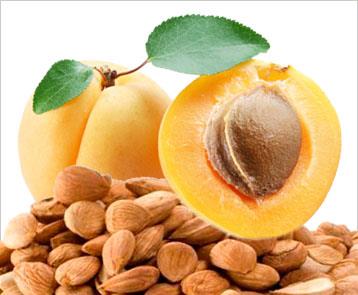
Apricot kernels are the seeds found inside the pits or stones of apricots. They resemble small almonds and have an almond‑like taste. They are sold as whole or half kernels, pre‑packaged or in bulk, and may also be ground and used as an ingredient in foods and beverages.
Apricot kernels naturally contain cyanogenic glycosides, primarily amygdalin, which has the potential to release cyanide when ingested. Small amounts of cyanide can be detoxified by the human body but high exposures over a short duration can result in severe adverse health effects (i.e., cyanide poisoning). Symptoms of acute cyanide poisoning include weakness and confusion, anxiety, restlessness, headache, nausea, difficulty breathing and shortness of breath, loss of consciousness, seizures, and cardiac arrest.
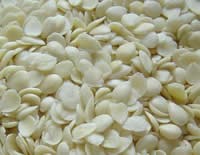
Multiple cases of severe acute cyanide poisoning, some resulting in fatalities, following consumption of apricot kernels by children or adults have been reported in other countries. Health Canada is aware of two confirmed cases, one in 2005 and one in 2009, of acute cyanide poisoning in Canada from the consumption of apricot kernels as a food.
There are no safety concerns associated with eating apricot fruit.
What is Health Canada doing?
On January 25, 2020, Health Canada established a maximum level (ML) of 20 ppm total extractable cyanide in apricot kernels sold as food. This ML allows Canadians choosing to consume apricot kernels to do so in a similar fashion as other more common types of seeds and nuts sold in Canada, while protecting them from the risk of cyanide poisoning. The ML appears in the List of Contaminants and Other Adulterating Substances in Foods and applies to both bitter and sweet apricot kernels sold for human consumption. Apricot kernels used as an ingredient in other foods must also meet this ML. Apricot kernels that do not meet Health Canada’s ML will not be allowed to be sold in Canada.
Amygdalin, the primary cyanogenic glycoside found in apricot kernels, is sometimes called “vitamin B17”. Amygdalin or “vitamin B17” is not a recognised vitamin in the Food and Drug Regulations. Health Canada considers any food, including apricot kernels, making a statement or claim relating to its “vitamin B17” content to be in violation of the Regulations.
What can you do?
Canadians are encouraged to contact manufacturers or sellers directly if they have questions about specific apricot kernel products meeting the maximum level.
Canadians should report any food safety or labelling concerns to the Canadian Food Inspection Agency.
For more information
- Notice of Health Canada's Proposal to Add Cyanide in Apricot Kernels to the List of Contaminants and Other Adulterating Substances in Foods – Reference Number: NOP/ADP C-2018-1
- Notice of Modification to the List of Contaminants and Other Adulterating Substances in Food to Add a Maximum Level for Cyanide in Apricot Kernels - Reference Number: NOM/ADM C-2019-1
- Health Canada sets new cyanide limit to mitigate risks associated with eating apricot kernels