
Oxybenzone in people living in Canada
Learn about human biomonitoring of oxybenzone in Canada.
On this page
- About oxybenzone
- Data sources for oxybenzone biomonitoring
- Results of oxybenzone biomonitoring
- Related links
- How to cite this web page
About oxybenzone
Oxybenzone, also known as benzophenone-3, is both a naturally occurring and a human-made chemical that absorbs ultraviolet (UV) radiation. Oxybenzone is widely used as a UV filtering chemical in self-care and consumer products.
Oxybenzone is used in self-care products to prevent harmful effects of the sun's UV radiation on the skin or hair. These products may include:
- sunscreens
- powders
- lip-balms
- shampoos
- fragrances
- conditioners
- body lotions
- anti-aging creams
It is also used to prevent discoloration or deterioration from UV rays in consumer products such as:
- inks
- fillers
- putties
- plasters
- adhesives
- plastic products
- paints and coatings
- automotive care products
People are exposed to oxybenzone by skin contact with sunscreens or self-care and consumer products that contain oxybenzone. Minor sources of exposure include eating foods (including human milk), drinking water, breathing air or swallowing dust contaminated with oxybenzone.
Oxybenzone is absorbed in the body after exposure. Oxybenzone is measured in a urine sample. The presence of oxybenzone in your urine reflects recent exposure to oxybenzone.
Potential health effects of oxybenzone
Studies in laboratory animals show that exposure to oxybenzone is associated with altered organ weights and adverse reproductive and developmental effects. Studies in human populations suggest possible:
- skin allergy
- developmental effects, such as effects on birth weight
- hormone disruption, including effects on testosterone and thyroid hormones
It's important to note that the presence of a substance in your body doesn't necessarily mean it will affect your health.
What we're doing to lower human exposures to oxybenzone
We have:
- listed oxybenzone in our primary and secondary sunscreen monographs as a permitted, non-prescription drug medicinal ingredient in sunscreens, makeup and skincare products up to a maximum concentration to ensure safety and effectiveness
- identified oxybenzone for consideration as part of a group of UV absorbing chemicals for potential future activity under Canada's Chemicals Management Plan
We will:
- continue to monitor scientific literature and international regulatory activities
- take appropriate action if human or environmental risks of concern are identified
Data sources for oxybenzone biomonitoring
This fact sheet presents human biomonitoring data from the Canadian Health Measures Survey (CHMS). You can access more results for oxybenzone and other UV absorbing compounds in the Canadian population through the Canadian biomonitoring dashboard.
| Initiative | Collection period | Target population |
|---|---|---|
| CHMS | 2018 to 2019 | General Canadian population aged 3 to 79 living in the 10 provinces |
We wish to acknowledge all participants, including Indigenous peoples, who took part in the biomonitoring study.
Results of oxybenzone biomonitoring
Levels in the Canadian population
Oxybenzone was measured for the first time in the Canadian population from 2018 to 2019. The average level in urine was 16 µg/L.
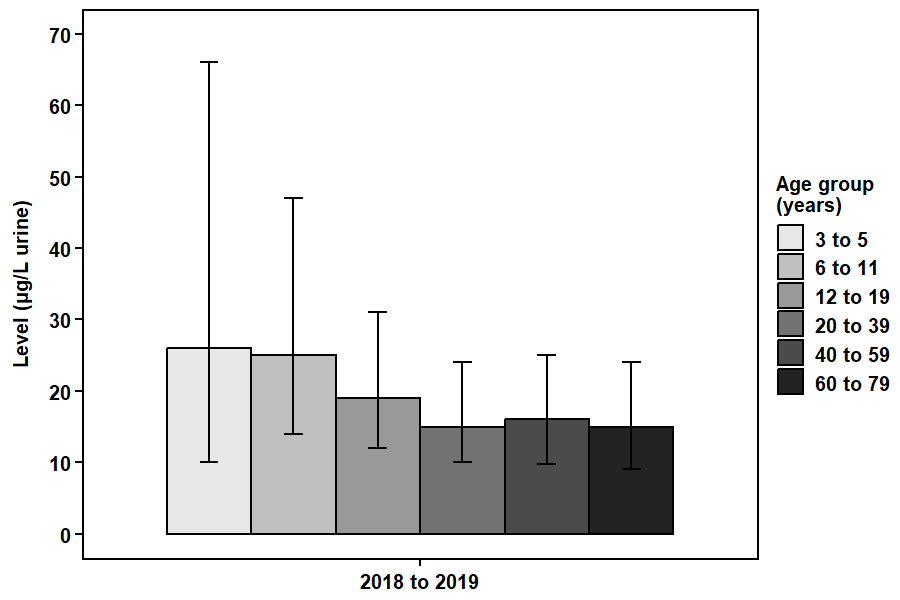
Figure 1: Levels in the Canadian population, by age group
Average levels of oxybenzone were similar across age groups.
Text description
| Age group (years) | Geometric mean level (µg/L) | 95% confidence interval (µg/L) |
|---|---|---|
| 3 to 5 | 26 | 10–66 |
| 6 to 11 | 25 | 14–47 |
| 12 to 19 | 19 | 12–31 |
| 20 to 39 | 15 | 10–24 |
| 40 to 59 | 16 | 9.7–25 |
| 60 to 79 | 15 | 9.1–24 |
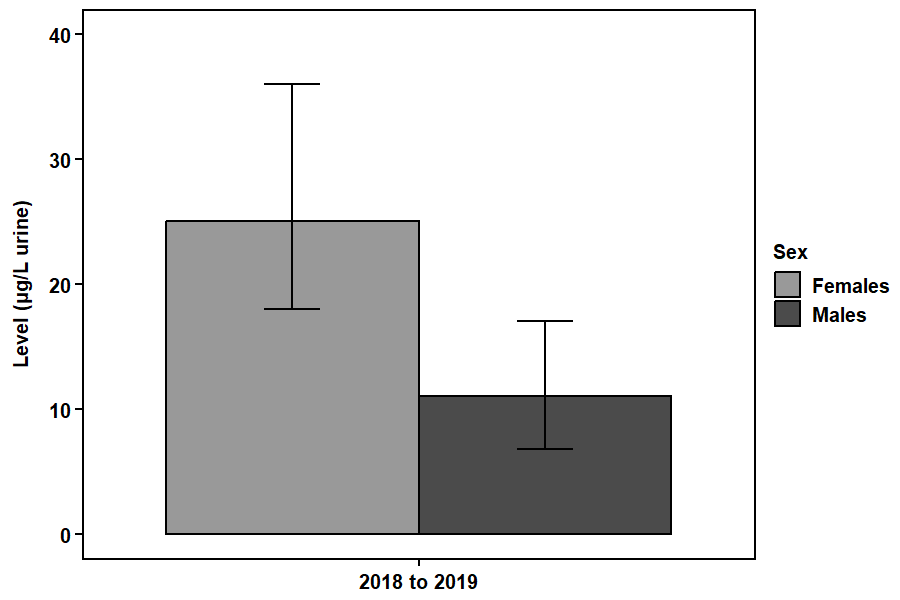
Figure 2: Levels in the Canadian population, by sex
Average levels of oxybenzone were higher in females than in males.
Text description
| Sex | Geometric mean level (µg/L) | 95% confidence interval (µg/L) |
|---|---|---|
| Females | 25 | 18–36 |
| Males | 11 | 6.8–17 |
Related links
- Canadian biomonitoring dashboard
- Identification of risk assessment priorities (IRAP): results of the 2017-18 review
- Primary sunscreen monograph
- Secondary sunscreen monograph
How to cite this web page
Health Canada. 2024. Oxybenzone in people living in Canada. Ottawa, ON. Available: https://www.canada.ca/en/health-canada/services/environmental-workplace-health/reports-publications/environmental-contaminants/human-biomonitoring-resources/oxybenzone-in-people.html