
Nasal rinsing devices and the risk of infection
Learn about the different types of nasal rinsing devices and the increased risk of infection if they're used incorrectly.
On this page
- About nasal rinsing devices
- Risk of infection
- What you can do to reduce the risk of infection
- Reporting adverse events
About nasal rinsing devices
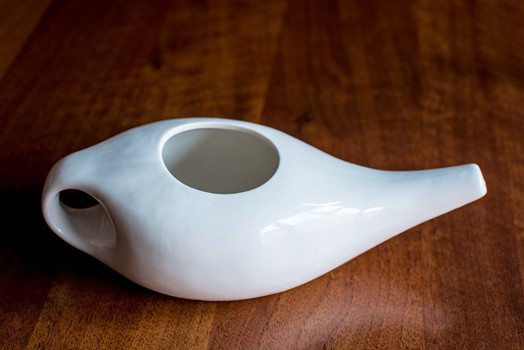
Nasal rinsing devices (also known as nasal irrigation systems, sinus rinse devices or nasal wash devices) are containers that hold saline or saltwater solution. The containers may be neti pots, squeeze bottles or syringes, and are operated manually or electrically. These devices may be sold with or without salt packets.
Nasal rinsing devices are used to rinse debris or mucous from the nasal passages of people with congested sinuses, colds or allergies.
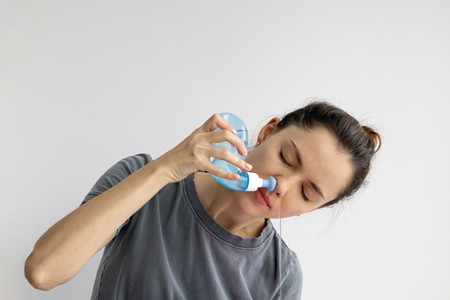
Some devices are used by health care providers in health care settings and others are used by people of all ages in their home. Devices used in the home can be purchased directly from retail or online stores.
Risk of infection
Micro-organisms are commonly found in soil and fresh water, including lakes and rivers. As such, tap water may contain low levels of micro-organisms. These micro-organisms can include bacteria and single-celled living organisms like amoebas.
Amoebas in tap water are generally considered safe to drink because the stomach acid can kill them. However, if they enter the body through another way, like through the nose when performing nasal rinsing, they can cause an infection. Infections can be fatal, especially for people who have a weak immune system.
Rare cases of serious infections and deaths in people rinsing their nasal passages with tap water have been reported in other countries. Health Canada has not received reports of Canadian cases of serious infection related to the use of nasal rinsing devices to date.
What you can do to reduce the risk of infection
Using a nasal rinsing device incorrectly can result in potential serious infection or even death. There are steps that you can take to reduce the risk of infection when using a nasal rinsing device.
If you're a consumer:
- Always use boiled, distilled or sterile water.
- You can purchase distilled or sterile water (the label will state "distilled" or "sterile") in stores.
- Bottled drinking water is not the same as "distilled" or "sterile" water.
- You can prepare your own boiled and cooled tap water at home by boiling water at a rolling boil for 3 to 5 minutes, then cooling until lukewarm. Store unused boiled water in a clean and closed container for use as soon as possible or within 24 hours.
- You can purchase distilled or sterile water (the label will state "distilled" or "sterile") in stores.
- Clean your device following the instructions provided.
- Do not share your device with anyone.
- Talk to your health care provider about nasal rinsing if you:
- have questions
- have a weakened immune system or
- want to know if nasal rinsing is safe for you
If you're a health care provider:
- Let your patients know that nasal rinsing with tap water can cause infections, which can be serious or even fatal.
- Tell them how to recognize if they have an infection and how to reduce the risk of infection from nasal rinsing.
- Report any confirmed or suspected cases of serious infection associated with nasal rinsing to Health Canada.
Reporting adverse events
It's important to report any issues with a medical device, including adverse events.
Report a medical device problem: