Reference method for PCDDs and PCDFs in pulp and paper mill effluents: section 7
Section 7: Data Reporting
Section 6 of the Pulp and Paper Mill Effluent Chlorinated Dioxins and Furans Regulations requires that operators take samples of the final effluent according to Schedules I. The sample collection and compositing procedures for this are described in Appendix A.
The concentrations of substances set out in Schedule II of the regulations are to be measured in accordance with this reference method, and the results reported to Environment Canada. In addition, the information specified in the following paragraphs must also be submitted. Reporting shall be in writing or in an electronic format, where the electronic format is provided by Environment Canada.
Submission of sample results must be accompanied by a clear photocopy of the corresponding sample submission/custody form. An example of the sample submission/custody sheet is given in Figure 9.
For every sample analyzed, information on sample identity, sample size, GC column, concentration (pg/L) of target analytes, detection limits, number of isomer peaks identified for each homologue, amounts of surrogates added, and surrogate recoveries must be reported as shown in Figure 8, Part I.
Ion abundance ratio and relative retention time data must be reported for all 2,3,7,8-substituted congeners, as shown in Figure 8, Part II.
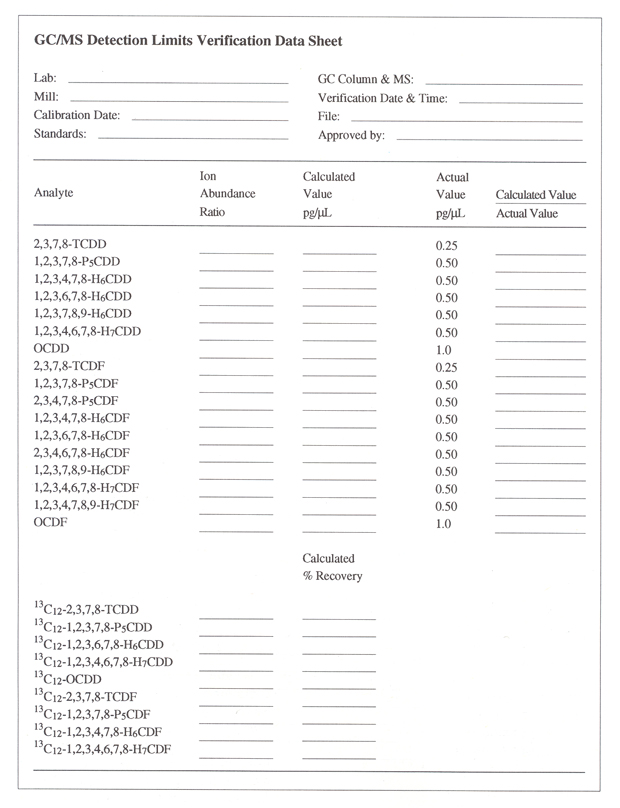
QA/QC data that must be submitted with results include results of the method performance tests (Figure 10), multi-point calibration data (Figure 11), calibration verification data (Figure 12), GC/MS detection limits verification data (Figure 13) and method blank results.
All original sample and supporting QA/QC data must be archived on disk or tape for a minimum of three years for possible audit. This would include glassware proof rinse data and results from GC Column Performance and Window Defining Mixture verification runs. Copies of ion chromatograms showing isotope abundance ratios and check marks for positive analyte peaks, lists of integrated peak areas and retention times for all monitored ions, and the date and time of sample analysis must be provided to Environment Canada upon request, as well as hard copy verification of MS resolution.
Figure 9: Sample Submission/Custody Sheet
Click to enlarge
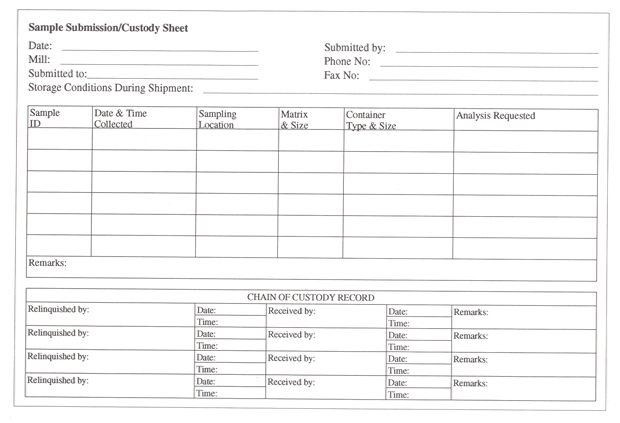

Figure 10: Method Performance Test Data Sheet
Click to enlarge
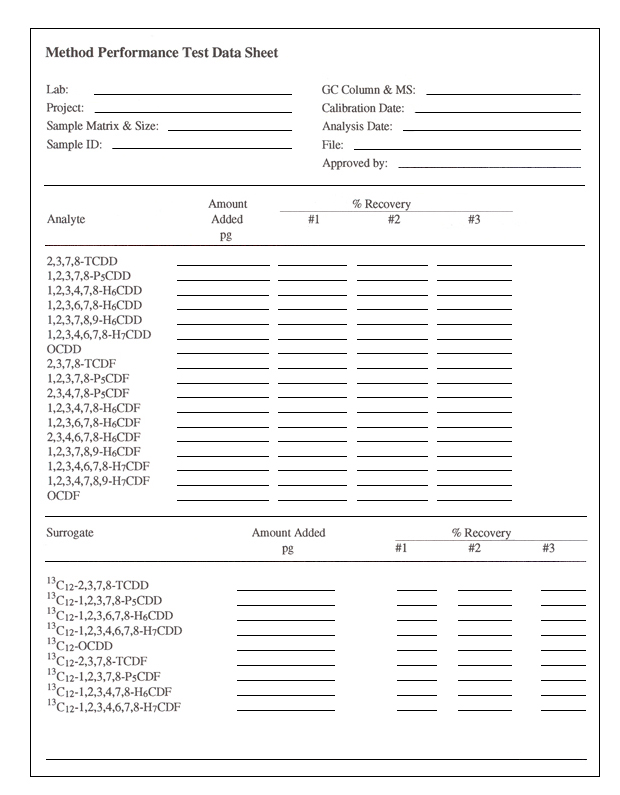

Figure 11: Multi-point Calibration Data Sheet
Click to enlarge
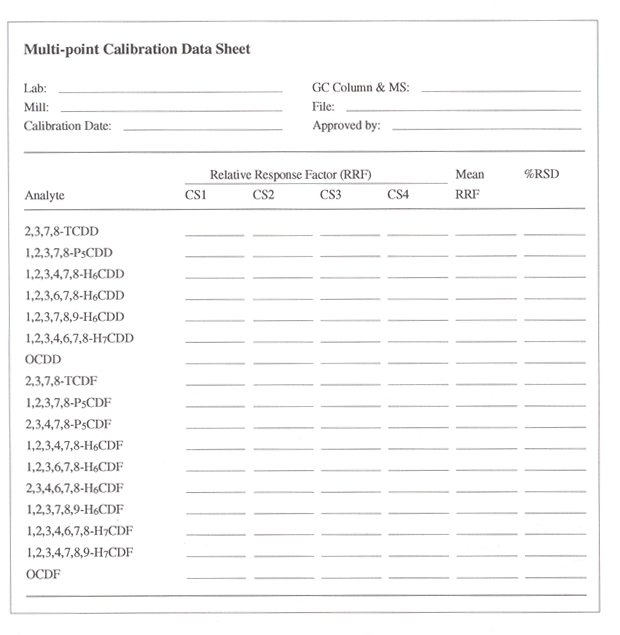

Figure 12: Calibration Verification Data Sheet
Click to enlarge
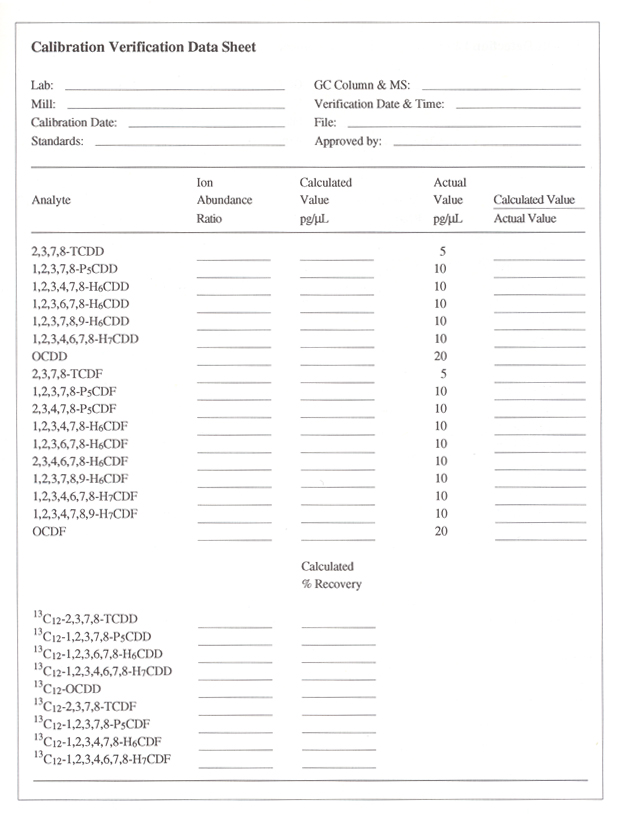

Figure 13: GC/MS Detection Limits Verification Data Sheet
Click to enlarge