Reference method for PCDDs and PCDFs in pulp and paper mill effluents: amendment 1995
Amendment: May 1995
Section 7: Data Reporting
Section 6 of the Pulp and Paper Mill Effluent - Chlorinated Dioxins and Furans Regulations requires that operators take samples of the final effluent according to Schedule I. The sample collection and compositing procedures for this are described in Appendix A.
The concentrations of substances set out in Schedule II of the regulations are to be measured following this reference method. Results must be reported to Environment Canada in writing or in an electronic format, where the electronic format is provided by Environment Canada.
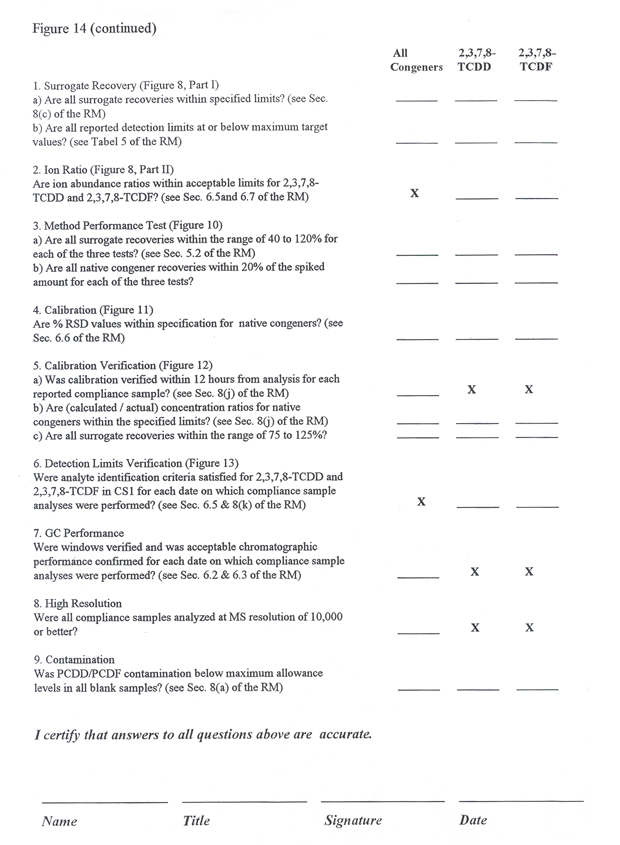
For every sample analyzed, concentrations (pg/L) of each of the 2,3,7,8-substituted dioxin/furan congeners and tetra through hepta homologues must be reported (Figure 14 - Dioxin/Furan Report, Part-A). The method detection limit (Section 6.7) must be reported in bracket for any analyte that is non-detectable. In addition, 13 questions specified in Part-B of Figure 14, pertaining to analytical performance, must be answered by a senior staff member of the laboratory that produced the analytical data. If any QA/QC criterion for 2,3,7,8-TCDD or 2,3,7,8-TCDF is not met (a negative answer in the 2,3,7,8-TCDD or 2,3,7,8-TCDF column, or for question no. 5a, 7 or 8), relevant QA/QC data and the description of remedial actions undertaken must be submitted along with the dioxin/furan report (figure 14).
QA/QC data that must be archived and submitted upon request include: semple submission/custody form (e.g. figure 9), detection limits and surrogate recoveries (e.g. Figure 8-I), ions monitored and their abundance ratios (e.g. Figure 8-II), method performance tests (e.g figure 10), multi-point calibration (e.g figure 11), calibration verification (e.g. figure 12), detection limit ver cation (e.g. figure 13), method blanks, glassware proof rinse, GC column performance, retention window verification, MS resolution verification and copies of ion chromatograms.
All original sample data and supporting QA/QC data must be archived for a minimum of three years for possible audit.
Figure 9: Sample Submission/Custody Sheet
Click to enlarge
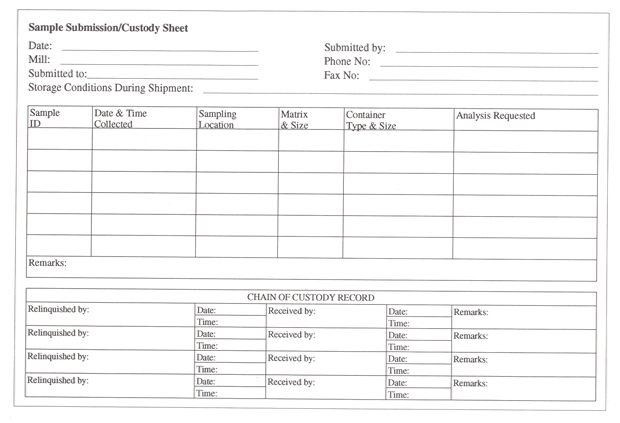

Figure 10: Method Performance Test Data Sheet
Click to enlarge
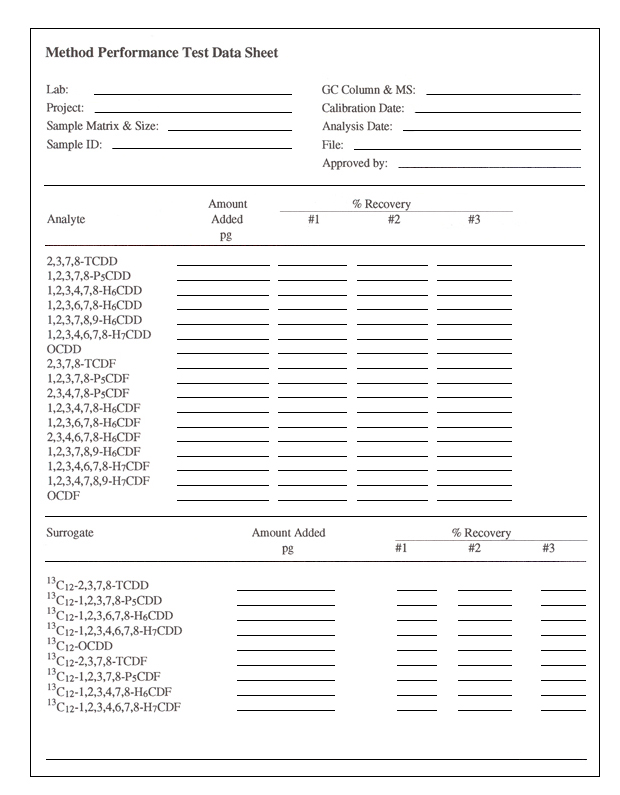

Figure 11: Multi-point Calibration Data Sheet
Click to enlarge
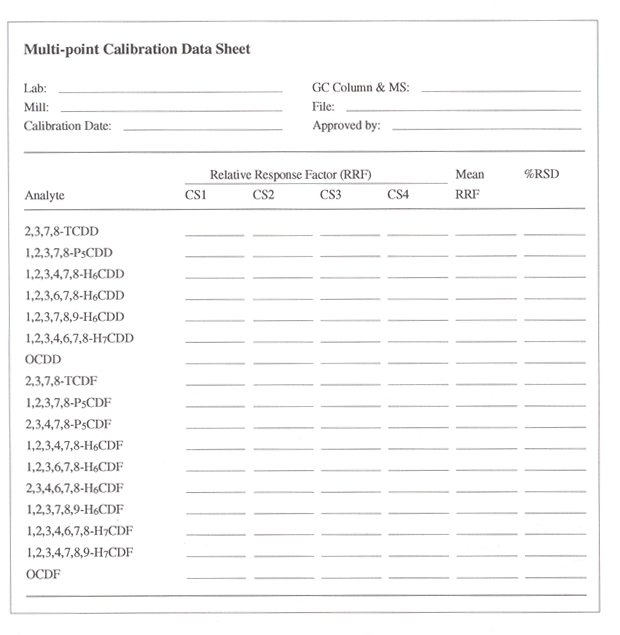

Figure 12: Calibration Verification Data Sheet
Click to enlarge
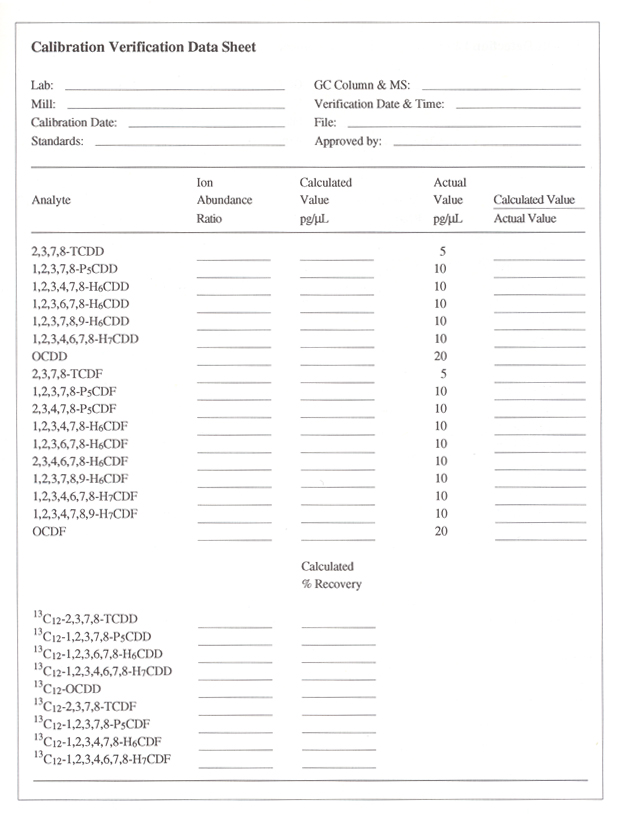

Figure 13: GC/MS Detection Limits Verification Data Sheet
Click to enlarge
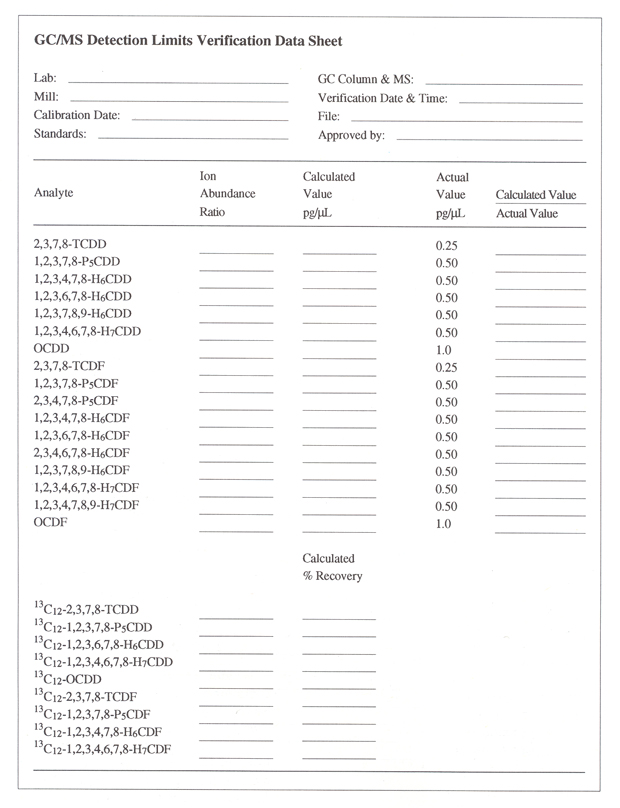

Figure 14 part 1: Dioxins/Furans Report
Click to enlarge


Figure 14 part 2: Dioxins/Furans Report
Click to enlarge