
407 Squadron puts its multi-role capability to work over Canada’s North
September 29, 2020 – Defence Stories
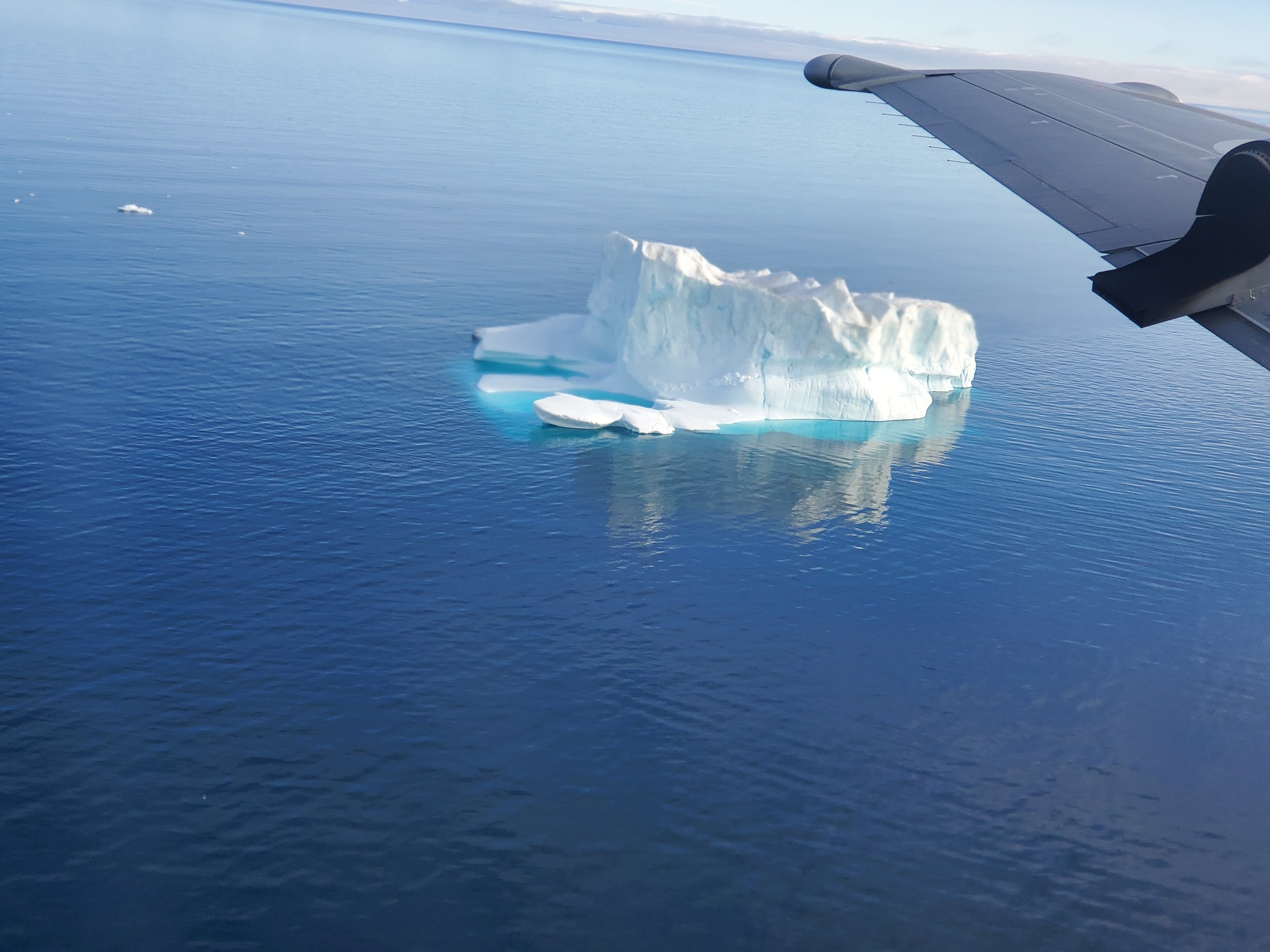
Caption
A CP-140 Aurora crew from 407 Long Range Patrol Squadron provides low-level presence over Canada’s High Arctic in August 2020.
Photo: Aviator Holly Kotylak
Several CP-140 Aurora crews from 407 Long Range Patrol (LRP) Squadron recently returned from a deployment in Canada’s North as part of Operation LIMPID, the Canadian Armed Forces routine surveillance of Canada’s air, maritime, land, space and cyber domains.
407 LRP Squadron put its long range and vast array of sensors to work this summer as they exercised Canada’s sovereignty in the high North. Multiple planes and crews rotated through on this mission, deploying from 19 Wing Comox to Yellowknife and Iqaluit to provide presence patrols, assess the well-being of isolated communities and wildlife, and assist with search-and-rescue. The crews covered over 30,000 nautical miles in total, providing approximately 140 flying hours, and carried out multiple search-and-rescue missions working with agencies such as the Joint Rescue Coordination Center (JRCC) Trenton, the Canadian Coast Guard, and 435 Transport and Rescue Squadron (Winnipeg).
One search-and-rescue mission provided an enormous challenge to the crew due to a thick cloud layer at the surface, making a visual search impossible. This lead to the crew utilizing the CP-140’s imaging RADAR, a sensor usually reserved for mapping coastlines and land targets, in an unorthodox method. Using information provided by JRCC from a cell phone ping, the crew was able to search for an overdue boat using the imaging RADAR’s Stripmap and Landspot modes. The crew located a potential target, which was verified as the boat in question by JRCC on further investigation. This unique use of RADAR demonstrates the versatility of the CP-140, and the crew’s ability to adapt their tactics and equipment to the mission and environment.
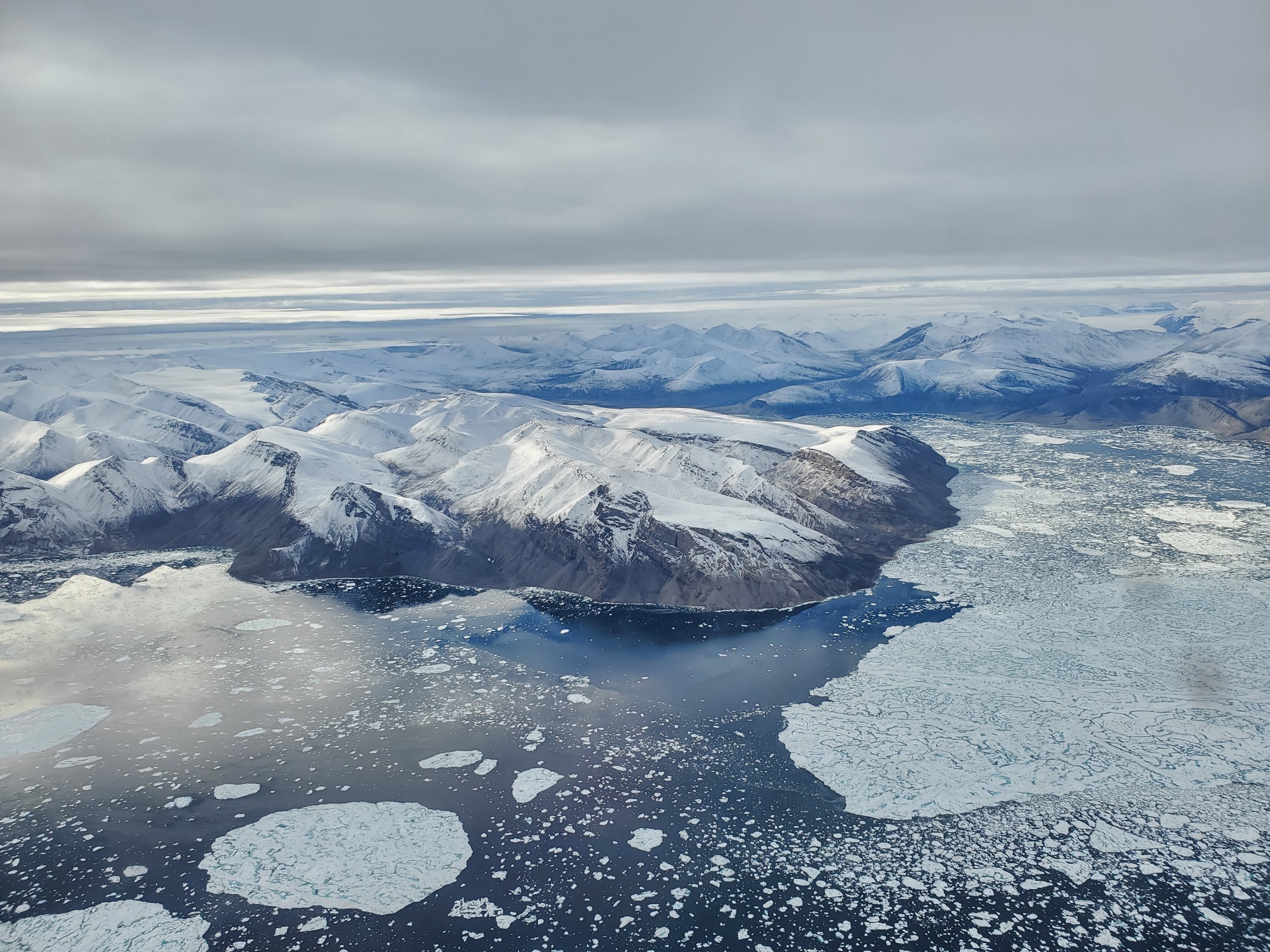
Caption
A CP-140 Aurora crew from 407 Long Range Patrol Squadron patrols high-level over Canada’s North in August 2020.
Photo: Aviator Holly Kotylak
407 Squadron also provided assistance to the North American Aerospace Defense Command (NORAD) by having the CP-140 act as escort and a backstop for search-and-rescue for CF-18s and U.S. Air Force F-15 fighters as they transited long distances in the high North. NORAD, established in 1958, is a combined US-Canadian organization that provides aerospace warning, air sovereignty, and protection of continental North America.
The CP-140 Aurora is the multi-role Canadian variant of the Lockheed P-3 Orion aircraft, brought into service in 1981. It’s the most capable aircraft in the RCAF, with its primary role being anti-submarine and anti-surface warfare but also capable of conducting maritime interdiction, search-and-rescue, transport, aid to law enforcement, and overland intelligence/surveillance/reconnaissance. It is currently undergoing an upgrade to Block IV as part of the Aurora Incremental Modernization Project, which will install improved mission systems and sensors to enhance the capabilities of the aircraft.