
Summer Safety – Beat the Heat!
July 17, 2020 – Defence Stories
Occupational and Environmental Health and Directorate of Force Health Protection
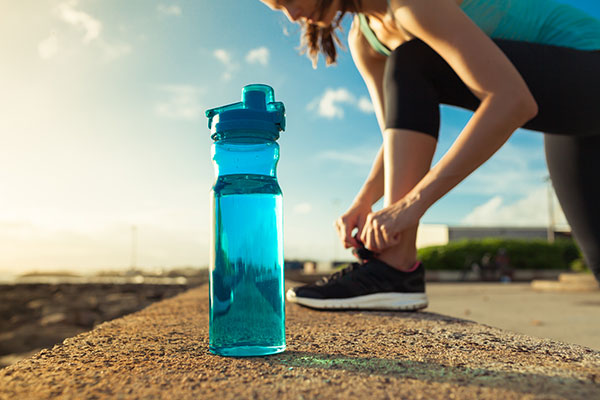
It is very important to drink lots of water and stay hydrated
Summer is here and most of the country is experiencing warmer temperatures and sun-filled days. While this is generally welcome in Canada after a long winter, hot summer weather can be life-threatening, particularly when working or exercising outdoors. Strenuous physical activity in warm temperatures can cause serious heat-related illnesses in some people. Fortunately, these illnesses can be prevented with appropriate attention to protective measures. To have an enjoyable and safe summer, Defence Team members need to be aware of the risk of heat-related illnesses and how to recognize the symptoms.
Exposure to excessive heat, especially while performing physical activity, can cause illnesses that range in severity from mild to very severe. At the mild end, heat rash is a localized itchy skin condition. On the other end, heat exhaustion and heat stroke are far more serious and can lead to hospitalization or even death.
Why someone doing physical activity outdoors might develop a serious heat-related illness, like heat stroke, depends on a number of factors. As the temperature and humidity levels go up, so does the risk of serious illness. Doing more strenuous work or exercise for longer periods of time in these conditions increases the risk as well. Table 1 lists a number of individual risk factors that may make one person at greater risk than another.
Risk Factors
- Age
- Obesity
- Lack of acclimatization to heat
- Poor physical fitness
- Personal protective equipment and clothing that reduce cooling
- Dehydration
- Current illness
- Sleep deprivation
- Drug/alcohol intake
- Prior heat-related illness
- Certain medications and nutritional supplements
It is important to be able to recognize Health Canada’s signs and symptoms of a significant heat-related illness, either in yourself or those around you:
- dizziness or fainting
- nausea or vomiting
- headache
- rapid breathing and heartbeat
- extreme thirst
- decreased urination with unusually dark yellow urine
If you experience any of these symptoms while working or exercising in the heat, move to a cool place immediately and drink liquids, preferably water. Heat stroke is a medical emergency. If someone working or exercising in the heat shows any signs of confusion or altered consciousness, immediately call for medical assistance and attempt to cool the person.
Fortunately, heat-related illnesses can be prevented. The following steps can help reduce the risk:
- know the outdoor heat conditions in your area
- be aware of your own risk factors for heat-related illness and modify them, where possible
- schedule outdoor work or exercise for the coolest parts of the day
- acclimatize your body to physical exertion in the heat
- don’t overdo it – match your physical effort in the heat to your fitness level
- stay hydrated – water is best
- take breaks in the shade
More information about the risks and prevention of heat-related illnesses is available from Health Canada. Talk to your primary care provider if you have specific questions about your own risk.
Enjoy the summer and stay safe!