Scientific examination and analysis services
The Canadian Conservation Institute (CCI) offers a comprehensive package of scientific, analytical, and photographic services, described herein. Staff uses physical and chemical methods to study the materials, structure and light sensitivity of artifacts and works of art. The work is diverse, ranging from the study of materials used by Aboriginal people to the examination of Canadian and European painting and sculpture.
Research and analysis of materials from archaeological sites and natural history collections are also undertaken in the laboratory and in the field. Staff uses a number of analytical techniques to characterize art and archaeological materials, and specialize in the correlative application of multiple techniques and instruments to answer a wide range of questions. Instrumentation and methodologies have been developed to provide a great deal of useful information from extremely small samples.
Some examples of scientific, analytical, and photographic services offered include:
- documentation and analysis of paintings, sculptures, prints and drawings, textiles, furniture, artifacts from archaeological sites and ethnographic collections, and natural history specimens;
- physical and chemical analysis of samples such as pigments and fillers, corrosion products, wood, natural and synthetic fibres, metals and alloys, organic materials, and collagenous materials;
- scientific studies in support of museum acquisitions of artifacts and works of art and investigations by law enforcement agencies related to questions of attribution, authenticity, and fraud; and
- microfade testing to identify objects that are at high risk of damage from exposure to light.
Staff use a large number of techniques in their work including:
- polarized light microscopy and fluorescence microscopy;
- X-ray fluorescence spectrometry;
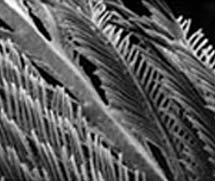
- scanning electron microscopy and X-ray microanalysis;
- X-ray diffraction;
- fourier transform infrared spectroscopy;
- raman spectroscopy;
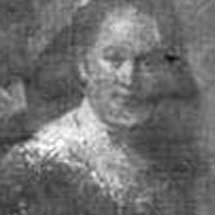
- scientific and technical photography, including photomacrography, infrared, ultraviolet, and fluorescence (colour) photography;
- X-radiography and electron emission radiography;
- microfade testing.