Sopwith Camel

Overview
Overview
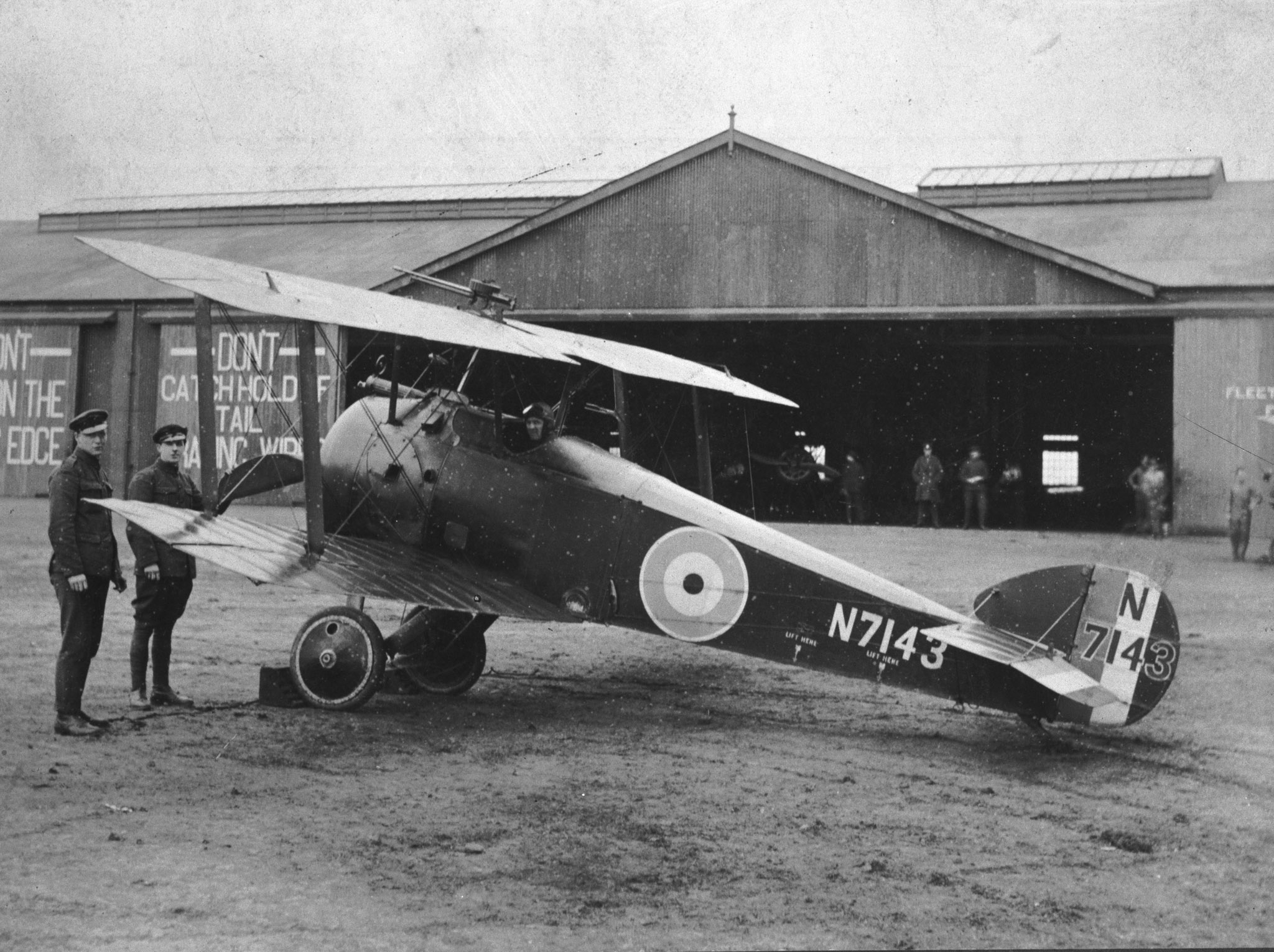
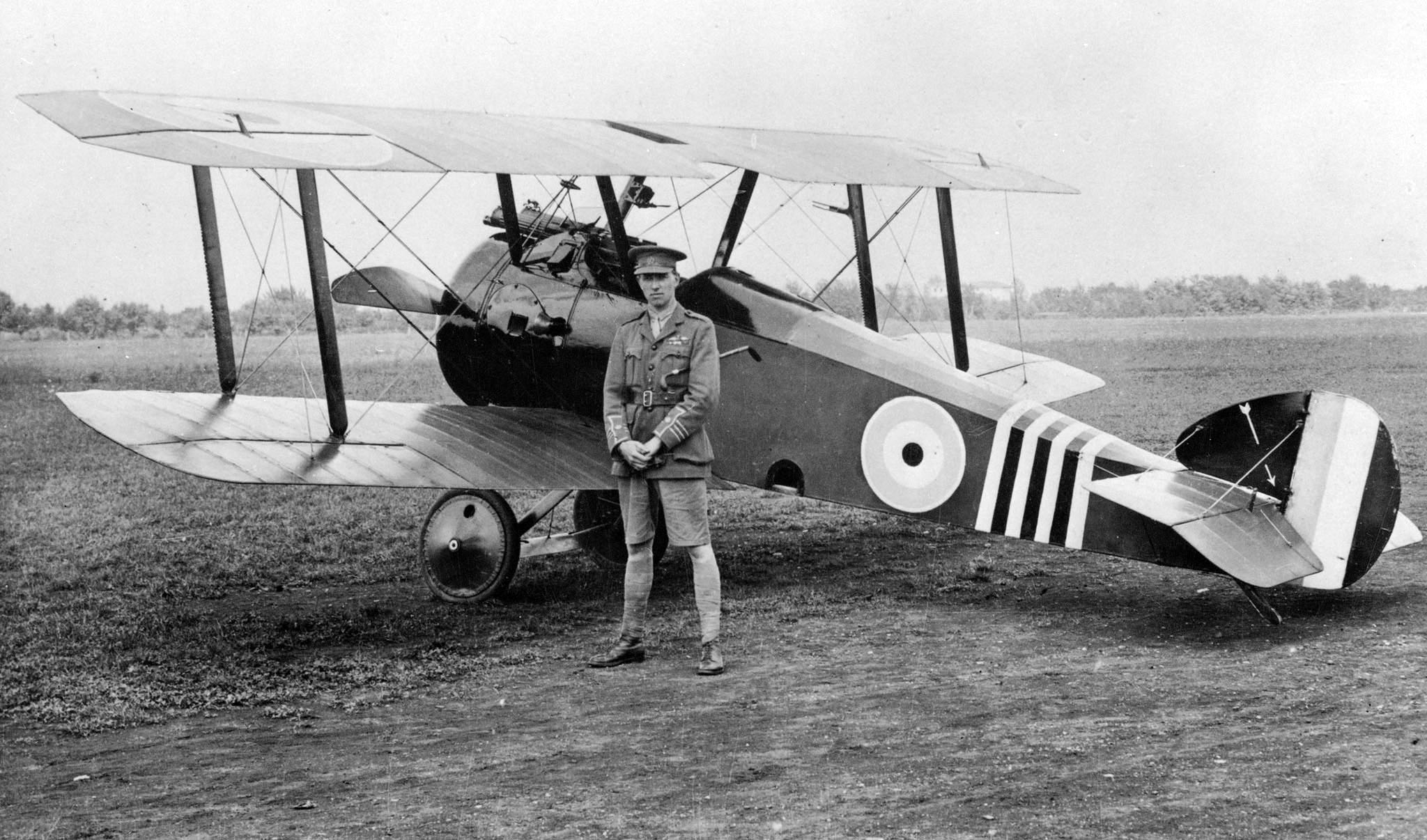
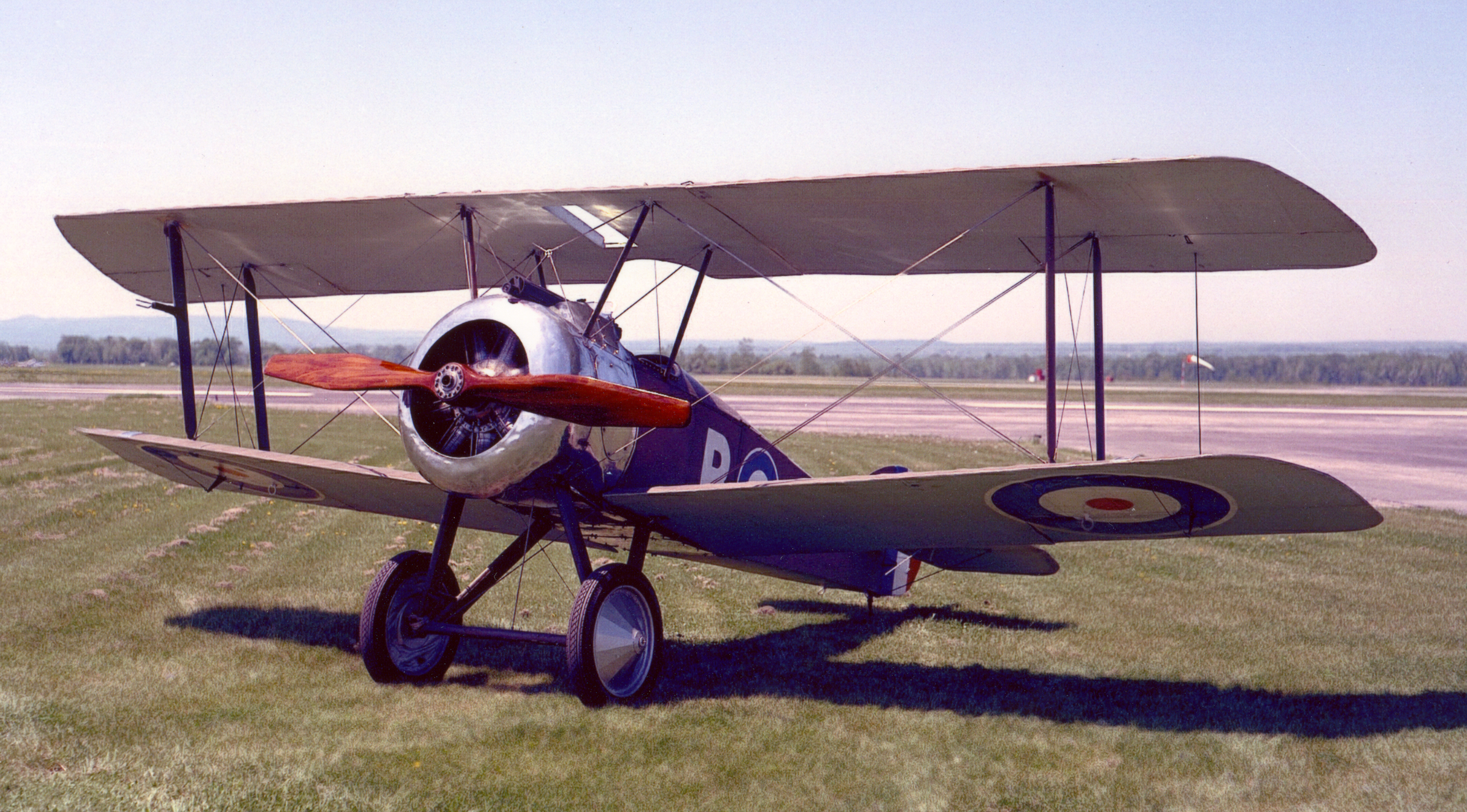
The Sopwith Camel became the most successful British fighter of the First World War. The Sopwith F.1 and 2F.1 Camel first went into operations on the Western Front in 1917 and then served in virtually every theatre of Royal Flying Corps, Royal Naval Air Service and Royal Air Force service. Several Canadian aces used the Camel as their mount. Very manoeuvrable, it could be tricky to fly in the hands of a novice pilot. For experienced pilots, however, the aircraft proved to be a superb fighter. The guns were mounted on the forward fuselage with their breeches enclosed in a faired metal cowling—a “hump” that gave the Camel its name. Several Camels were also shipped to Canada in the post-war period as part of an Imperial gift. There were three registered Sopwith F.1 Camels that then entered service with the RCAF at Camp Borden in 1924. The following year, the RCAF purchased seven additional aircraft to provide further spares for the active aircraft. These latter aircraft were in fact 2F.1 models that had been “navalized” variants. Used primarily by wartime experience fight pilots for refresher training, the Camels lasted another five years before finally being scrapped.
| Model number | F.1, 2F.1 |
|---|---|
| Role | Fighter |
| Taken on strength | 1924 |
| Struck off strength | 1929 |
| Number | 10 |
| Service | Royal Flying Corps, RCAF |
Source: Canadian Combat and Support Aircraft: A Military Compendium by T.F.J. Leversedge © 2007. Translated and reproduced with permission of the author.
Technical specifications
Technical specifications (2F.1)
| Manufacturer | Sopwith Aviation Company |
|---|---|
| Crew / passengers | One pilot |
| Powerplant | One 130 hp Clerget, 110 hp Le Rhone, 100 hp Gnome Monosoupape or 150 hp Bentley B.R.1 radial piston engine |
| Maximum speed | 115 mph (185 km/h) |
| Service ceiling | 19,000 ft (5,791 m) |
| Empty weight | 929 lbs (421 kg) |
| Gross weight | 1,453 lbs ( 659 kg) |
| Span | 28 ft (8.53 m) |
| Length | 18 ft 9 in (5.72 m) |
| Height | 8 ft 6 in (4.17 m) |
| Armament | Twin 0.303 calibre Vickers machine guns plus provisions for two 50 lb (22.7 kg) bombs |
Source: Canadian Combat and Support Aircraft: A Military Compendium by T.F.J. Leversedge © 2007. Translated and reproduced with permission of the author.