Handley Page Halifax

Overview
Overview
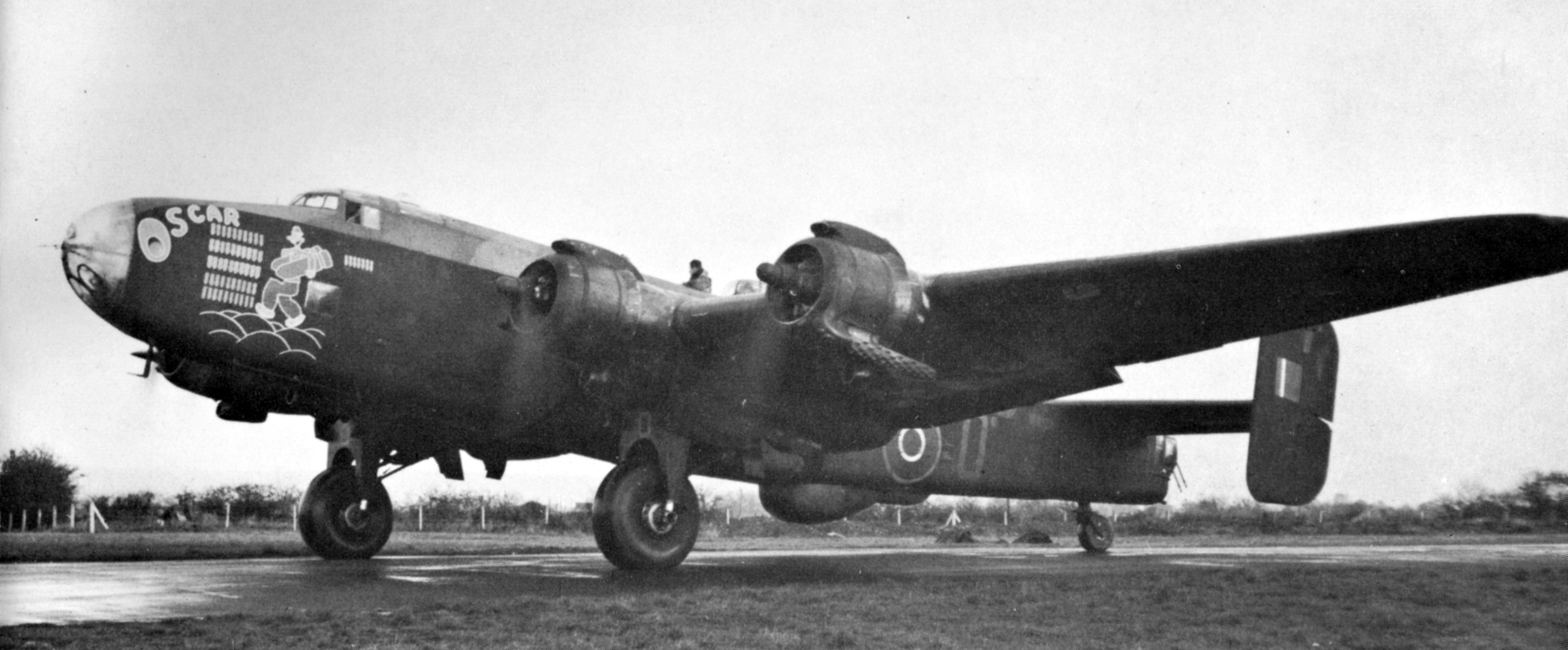
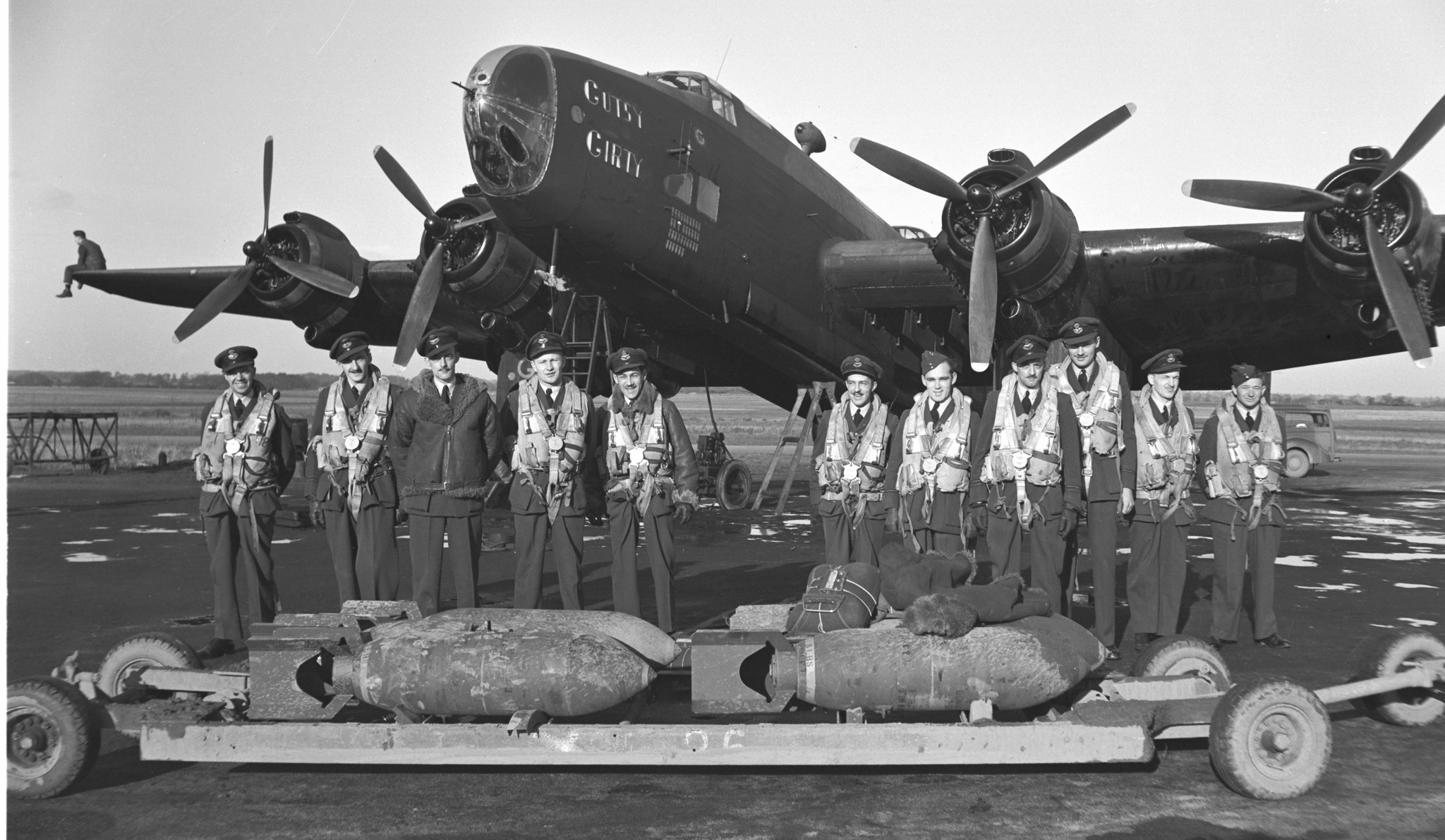
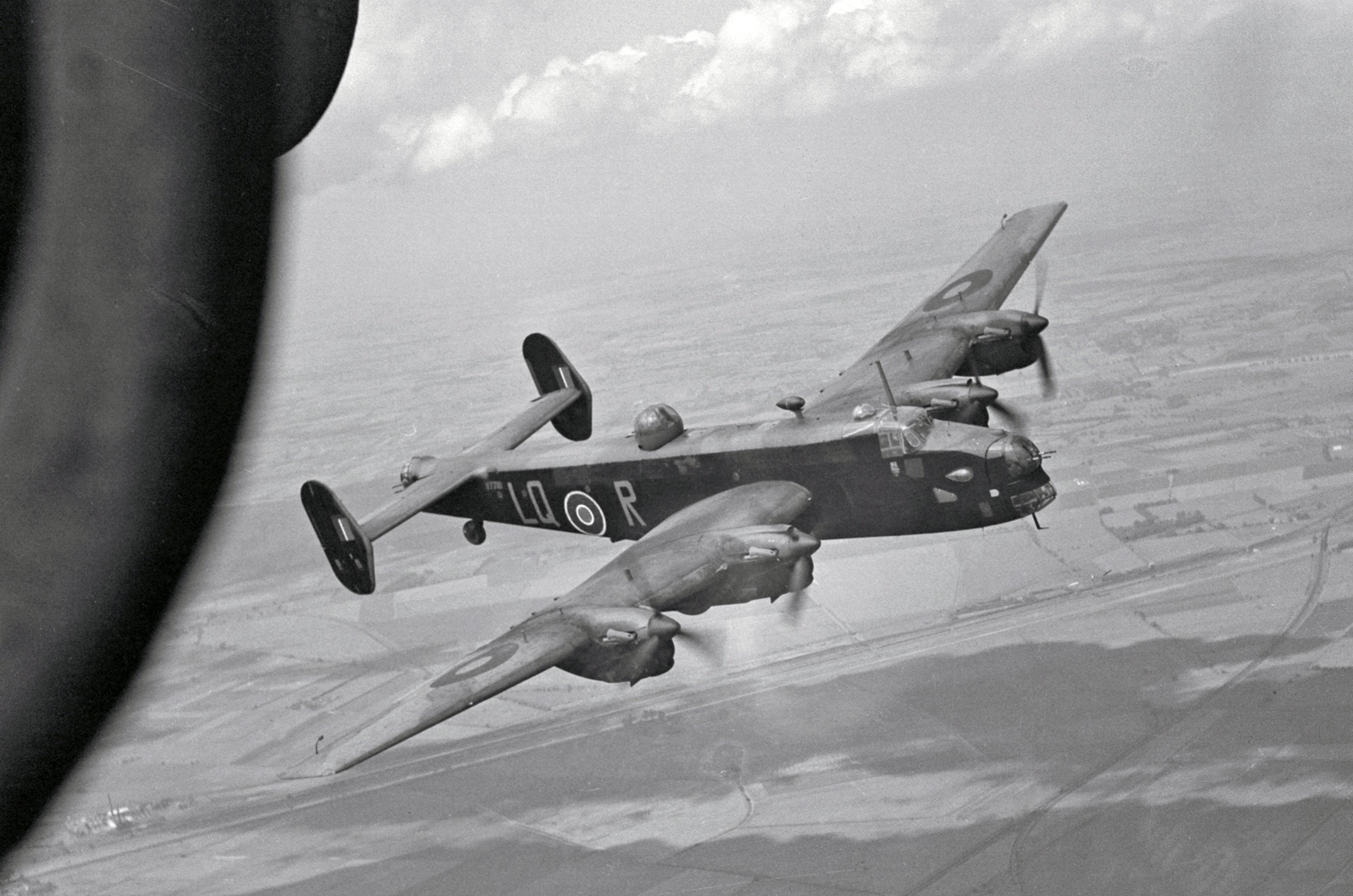
Names painted on the sides of RCAF Halifax bombers, such as “Willy the Wolf”, “The Champ”, “Big Chief Wa-Hoo”, and “Vicky the Vicious Virgin”, reflected the affection that Canadian wartime crews felt for the big four-engine bomber type. It could absorb tremendous punishment and still fly home. One Halifax aircraft, named “Friday the Thirteenth”, survived 128 sorties. The Halifax was perhaps overshadowed by its larger cousin in Bomber Command, the Avro Lancaster, but many Canadian crews were more than satisfied with the aircraft type and the type was perhaps Canada’s most important bomber in the Second World War. Apart from the bomber offensive, the Halifax was also used in Coastal Command to hunt submarines, and for special operations such as towing gliders or making parachute drops of supplies and agents in occupied territories.
| Model number | HP 56, 57, 58, 59, 60, 61, 62, 63 |
| Marks | Mk I, II, III, IV, V, VI, VII |
| Role | Bomber, anti-submarine warfare, transport and glider tug |
| Taken on strength | 1940 |
| Struck off strength | 1945 |
| Number | 84 Mk I, 1,977 Mk II, 2,091 Mk III |
| Service | RCAF and Royal Air Force (904 Mk V, 467 Mk VI, 35 Mk VII) |
|---|
Source: Canadian Combat and Support Aircraft: A Military Compendium by T.F.J. Leversedge © 2007. Translated and reproduced with permission of the author.
Technical specifications
Technical specifications (MK III)
| Manufacturer | Handley Page Aircraft Ltd. (designed and built) |
| Crew / passengers | 7 crew (pilot, navigator, bomb aimer, radio operator, gunners) |
|---|---|
| Powerplant | Four 1,615 hp Rolls Royce Merlin or Bristol Hercules XVI radial engines |
| Maximum speed | 280 mph (450 km/h) at 13,500 ft |
| Service ceiling | 41,000 ft (12,496 m) |
| Range | 3,000 mi (4,830 km) |
| Empty weight | 36,000 lb (16,320 kg) |
| Gross weight | 65,000 lb (29,450 kg) |
| Span | 98 ft 10 in (30.2 m) |
| Length | 70 ft 1 in (21.4 m) |
| Wing area | 1,200 sq ft (111.5 m2) |
| Armament | Nine Browning .303 calibre machine guns plus provision for 13,000 lb (5,900 kg) of bombs or stores |
| Cost | Unknown |
Source: Canadian Combat and Support Aircraft: A Military Compendium by T.F.J. Leversedge © 2007. Translated and reproduced with permission of the author.